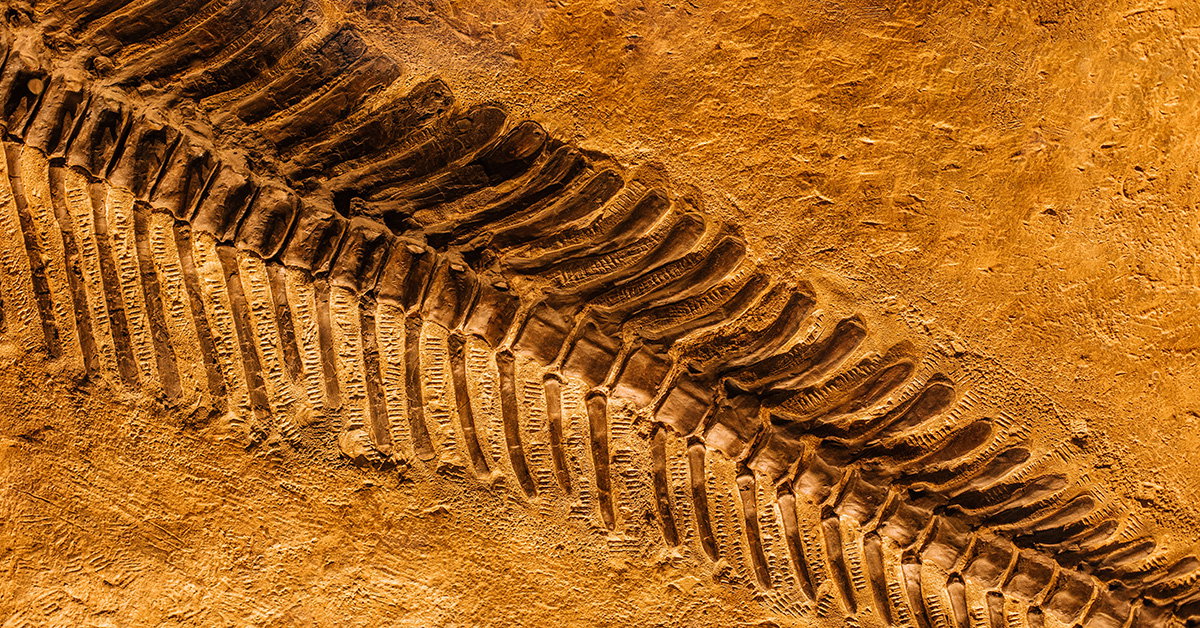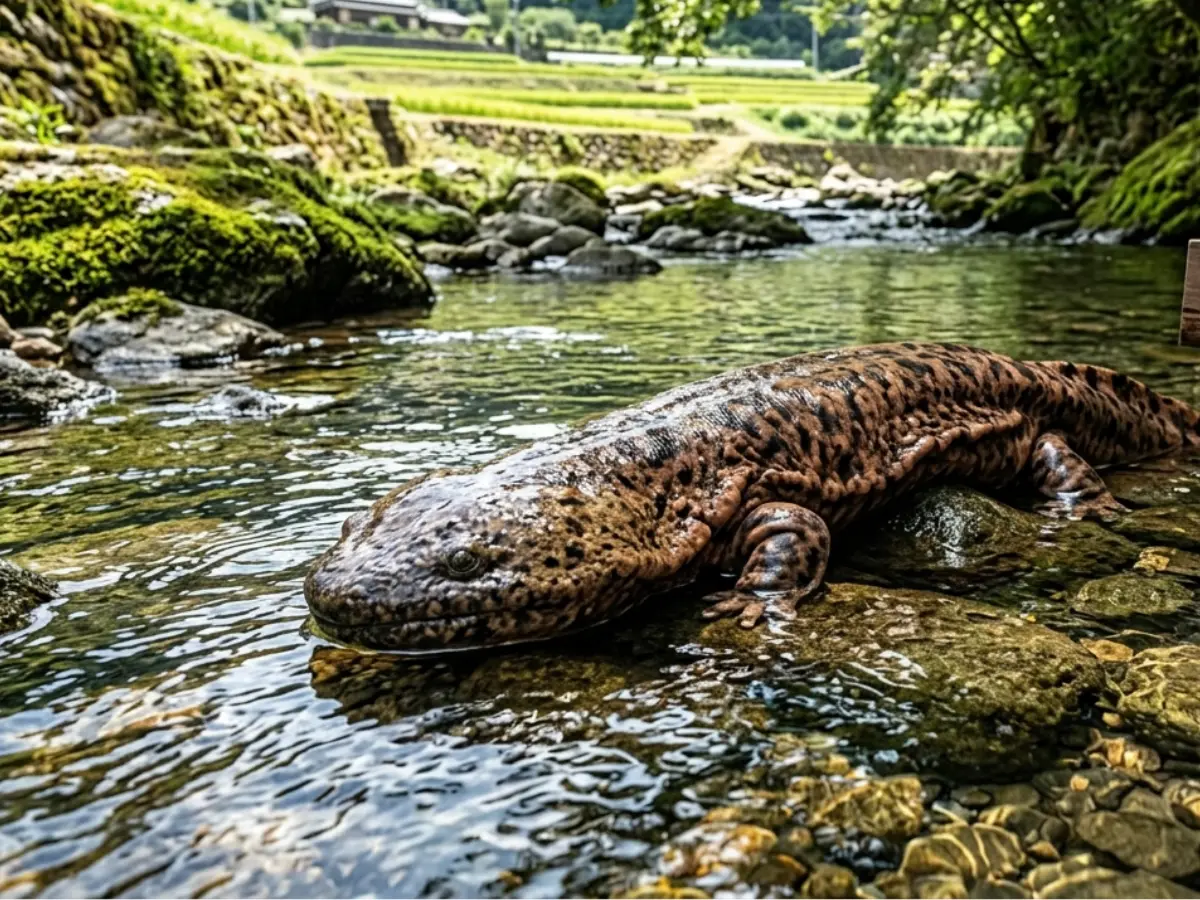
Scientists have identified a previously unknown giant salamander from Japan after reexamining fossil bones discovered in the Ajimu region between 1995 and 1997. The remains, dated to about 3.5 million years ago, belong to a large amphibian that had not been recognized before.
According to the report, the animal has been named Limnospondylus, marking an important addition to Japan's prehistoric wildlife record. Even though only three bones were found, researchers say the fossils were enough to show that this was a distinct giant salamander unlike those previously identified.
The discovery is significant because it helps bridge a long missing stretch in the fossil history of giant salamanders in Japan. Scientists say the find narrows a gap of more than 20 million years, giving researchers a clearer picture of how these animals were present in the region over deep time.
Giant salamanders still capture scientific interest today, and this fossil evidence suggests their ancient history in Japan was more complex than once thought. The newly identified species adds fresh detail to the evolution of these rare amphibians and highlights the value of older discoveries that can reveal new answers years later.