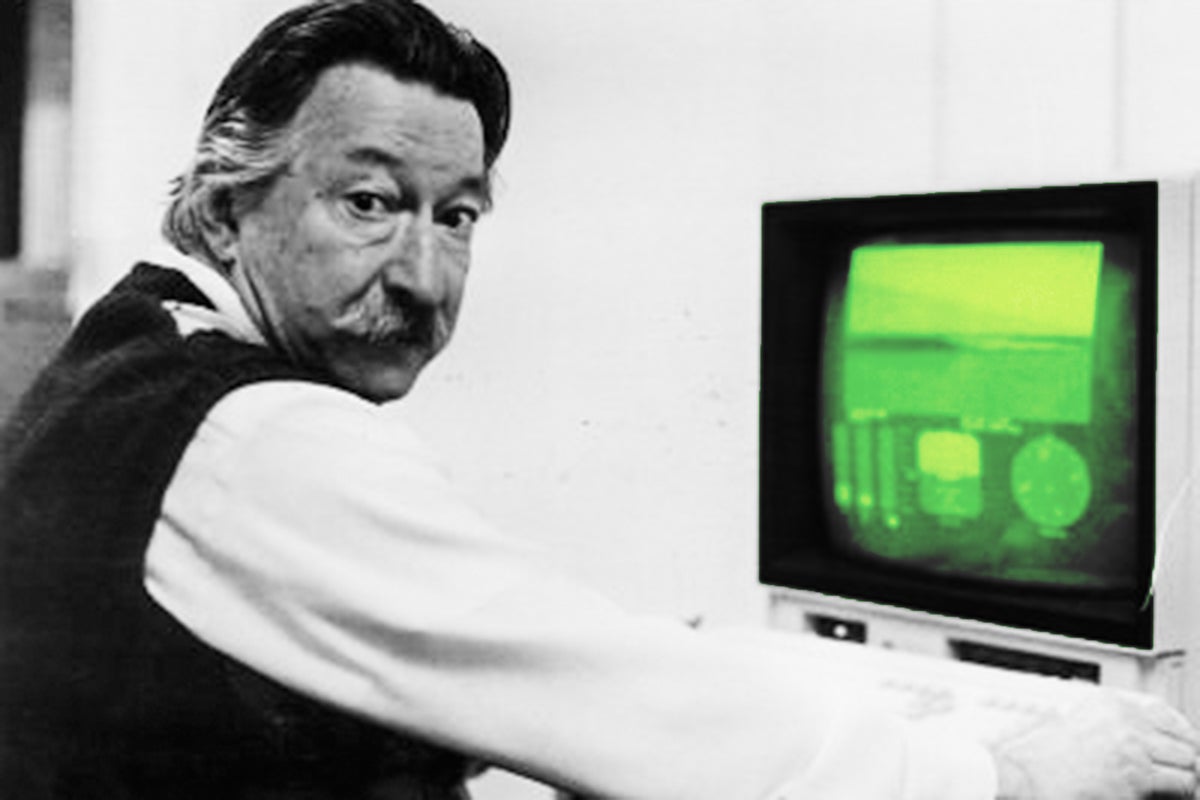
Long before ChatGPT and Claude became everyday tools, ELIZA showed how easily people could treat software like a thinking companion. The article revisits the 1966 program often described as the first AI chatbot and argues that the tendency to overestimate what these systems understand is not new at all.
ELIZA worked by reflecting a user’s words back in simple, scripted ways, creating the impression of empathy or insight without any real comprehension. Even so, people responded to it emotionally, a reaction that exposed how quickly humans can project meaning and intention onto a machine.
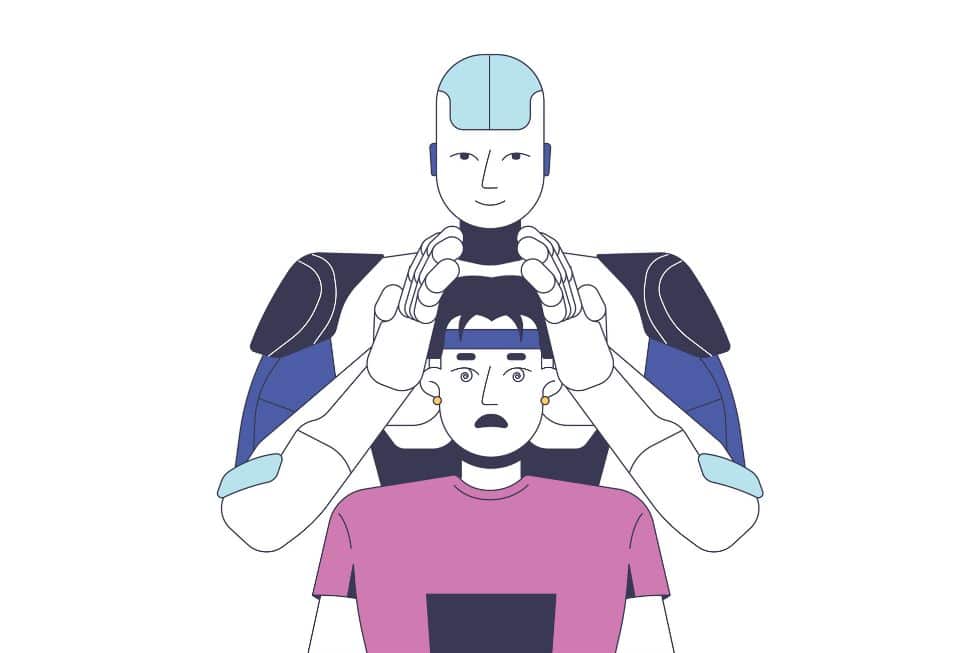
That early experiment now looks strikingly relevant as modern AI bots take on a much bigger role in daily life. Millions of users turn to today’s chatbots for help, reassurance and sometimes deeply personal conversations, even though the systems still generate responses through pattern-based prediction rather than human understanding.
The key difference suggested here is that ELIZA made its limitations easier to see, while newer tools sound far more fluent and convincing. That increased realism can make the illusion stronger, reviving an old problem from the dawn of chatbots: people may mistake persuasive language for genuine intelligence, care or truth.