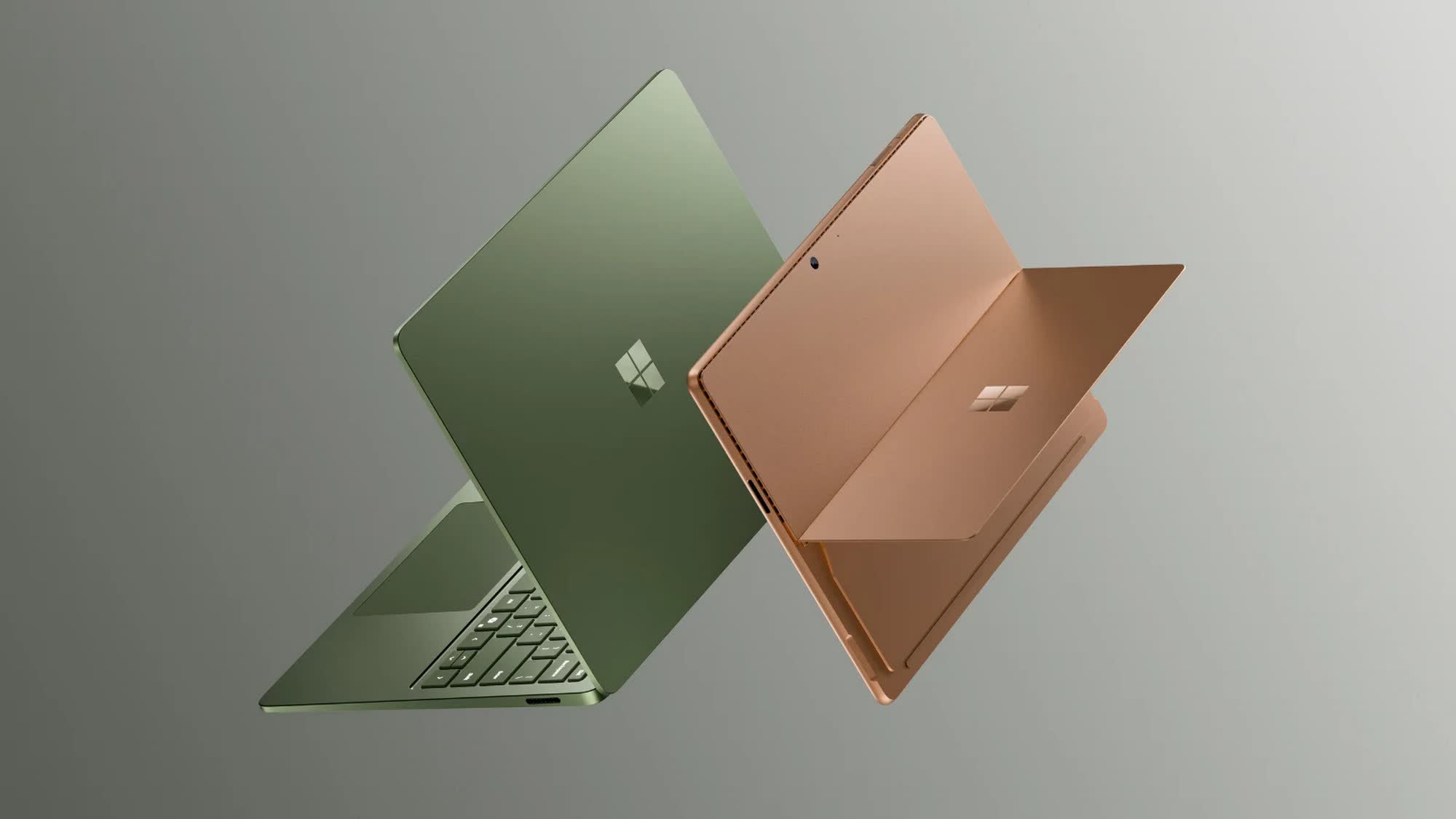
Microsoft's lower-cost Surface devices are drawing attention for a familiar issue in modern PCs: whether 8GB of RAM is still enough for Windows 11. The new Surface Pro 12 and Surface Laptop 8 were introduced last month as more affordable entries in the lineup, with pricing starting at $849 and less powerful configurations than the flagship models.
According to reporting cited in the coverage, the 8GB setup can handle lighter everyday work reasonably well. Basic web browsing, word processing, and streaming video are said to run mostly fine, which means casual users may not immediately run into major problems.
The concern is what happens beyond those simple tasks. The criticism centers on Windows 11 using enough system resources that the limited memory can quickly feel restrictive, especially when multitasking or trying to keep the machine responsive over time. That makes the entry-level configuration look less attractive for buyers who expect a premium laptop experience, even in a cheaper model.
The broader takeaway is that Microsoft is offering a budget-friendlier Surface, but one that may already be close to its limits because of the software it runs. For shoppers comparing configurations, the debate around Windows 11 bloat and 8GB of RAM could become a key factor in deciding whether these new Surface models offer real value.