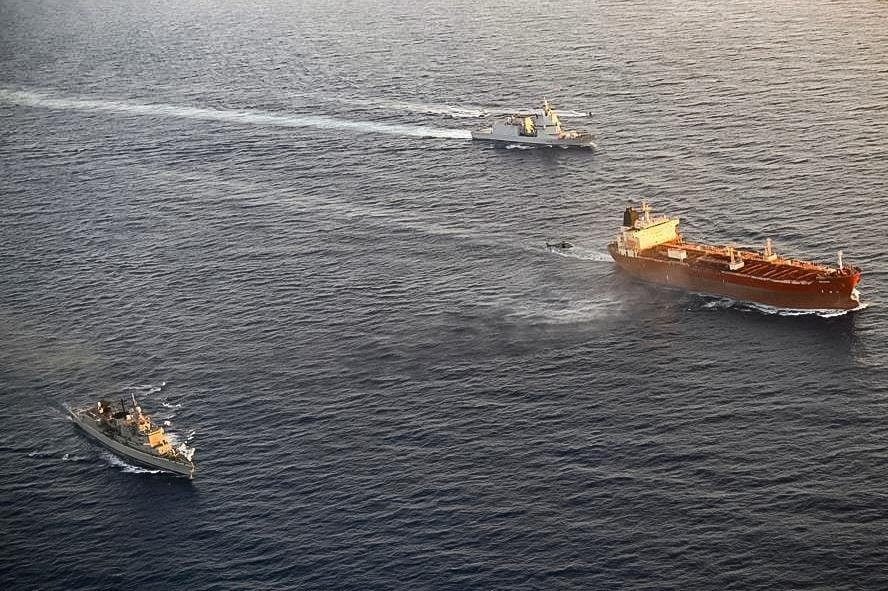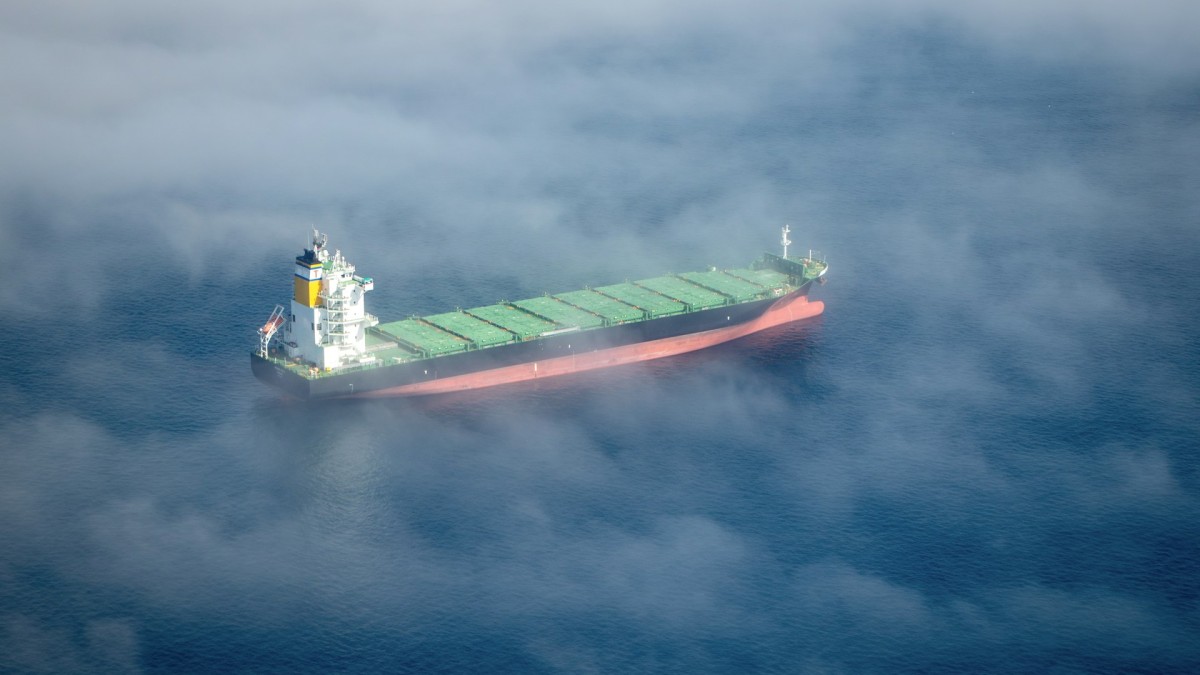
Two Saudi oil tankers were forced to reverse course in the Red Sea after threats from Yemen’s Houthi movement, underscoring the growing risks to commercial shipping in one of the world’s most important energy corridors. The incident adds fresh pressure to regional trade routes already strained by recent attacks on tankers.
The disruption was not limited to the Red Sea. Traffic through the Strait of Hormuz also reportedly slowed sharply following additional tanker attacks, raising concerns about the safety of vessels moving oil and other cargo through the Gulf. Any sustained slowdown in these waterways can quickly ripple through energy markets and supply chains.
At the same time, tensions across the wider region appeared to deepen. Iran said strikes had targeted infrastructure in Bahrain, Kuwait and Jordan, pointing to a broader and more volatile security picture beyond maritime routes alone. The combination of shipping threats and claims of attacks on regional assets suggests a widening crisis affecting multiple fronts.
With tankers changing course and key chokepoints facing renewed instability, the latest developments highlight how quickly security threats can disrupt oil transport in the Middle East. The situation remains fluid as shipping operators and regional governments assess the risks to vessels, infrastructure and trade flows.