Washington’s allies in the Persian Gulf are becoming increasingly uneasy as the confrontation between the United States and Iran grows more dangerous. For Gulf Arab states, the crisis is not only a military and diplomatic problem but also a direct threat to domestic stability, trade and energy revenues.
The situation is especially difficult because the White House appears to have limited good options. A larger military move, including sending in troops or trying to seize strategic targets such as Kharg Island, could trigger stronger retaliation from Iran and widen the conflict across the region.
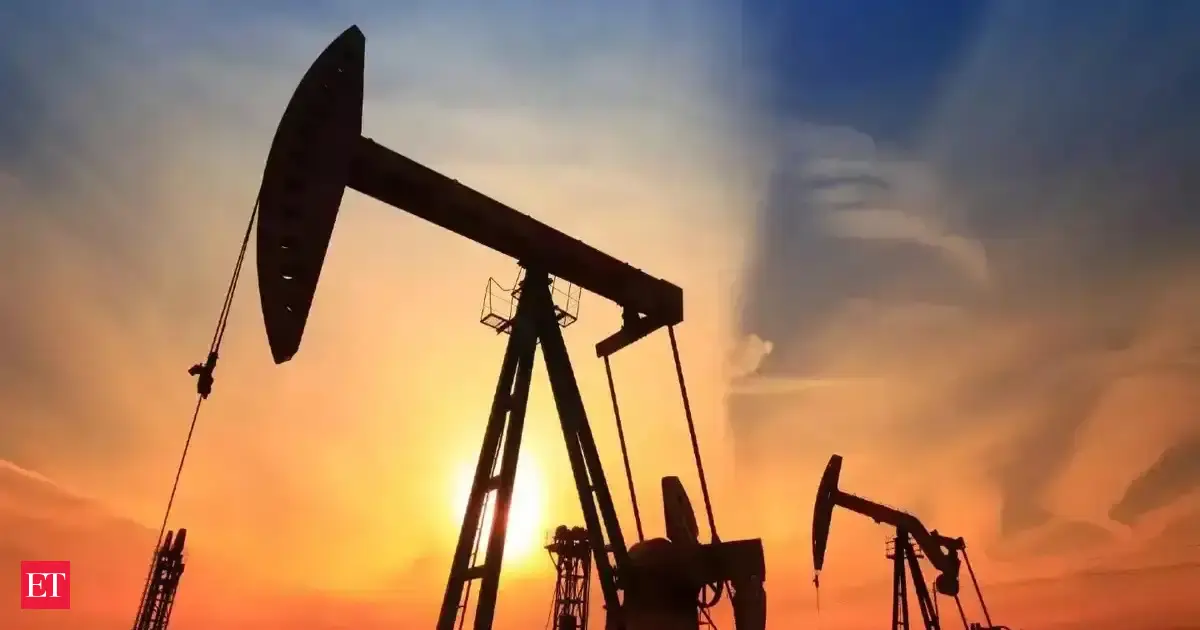
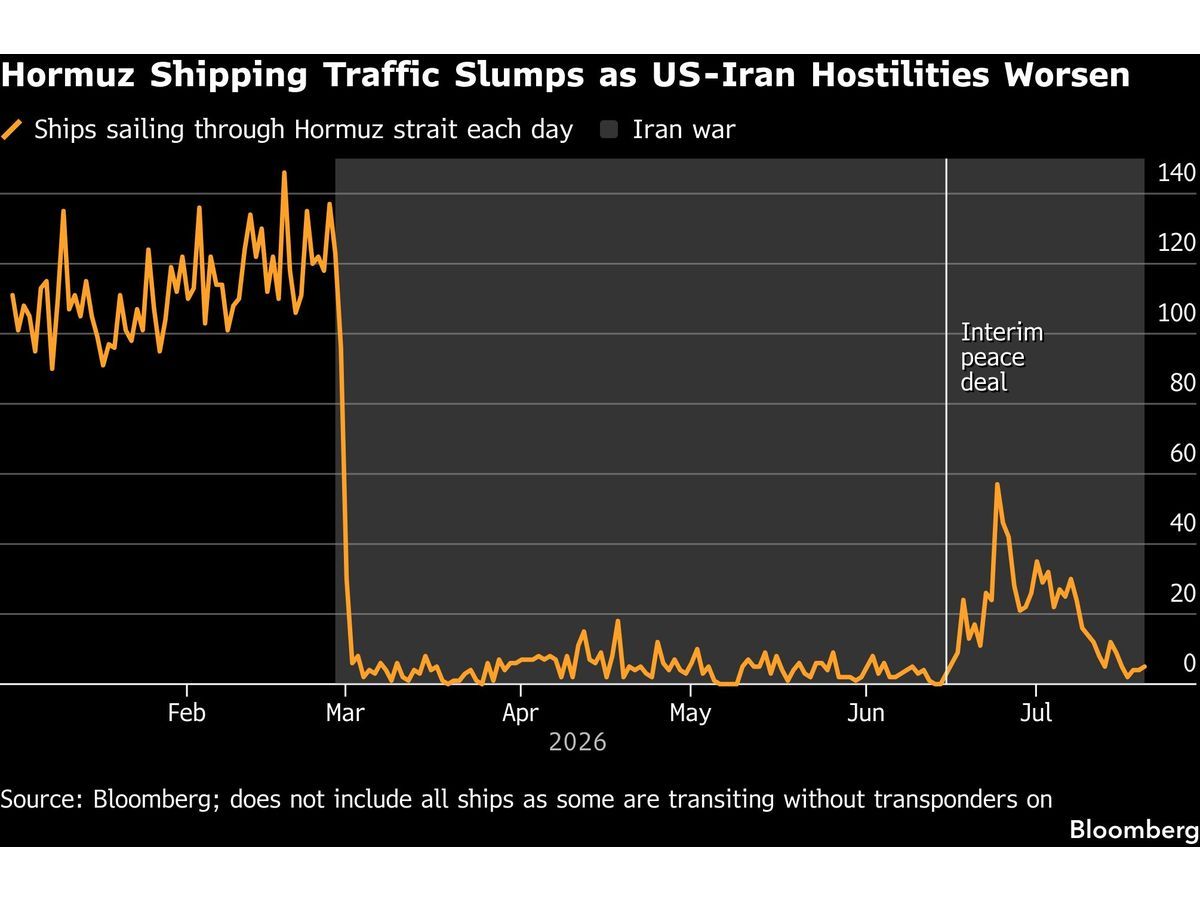
That prospect is alarming for governments around the Gulf, which sit close to key shipping routes and energy infrastructure. Any escalation risks disrupting oil flows, lifting prices further and exposing neighboring countries to security fallout even if they are not central participants in the fighting.
As the Iran war escalates, Gulf partners are left balancing their ties with Washington against the immediate risks to their own economies and national safety. Their frustration reflects a broader fear that a prolonged conflict could leave the region paying the highest price.