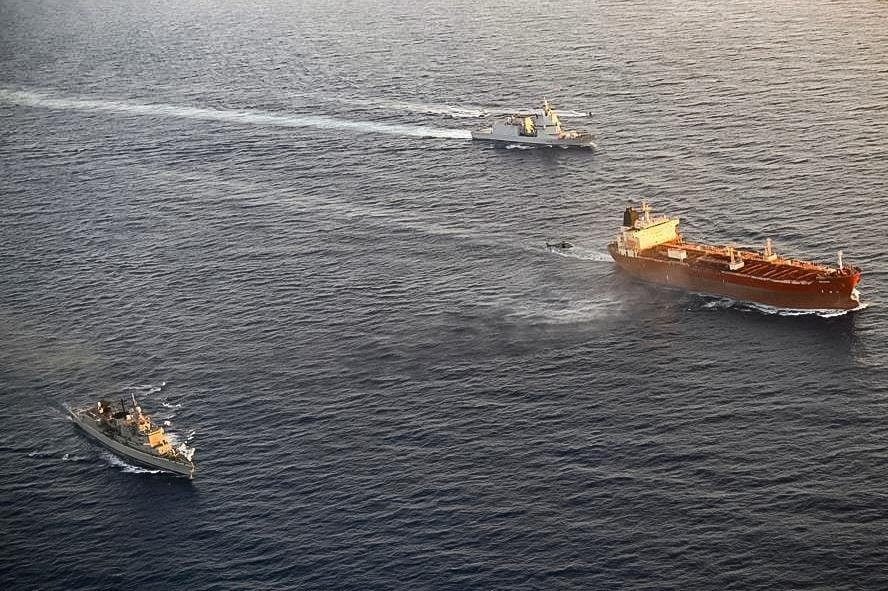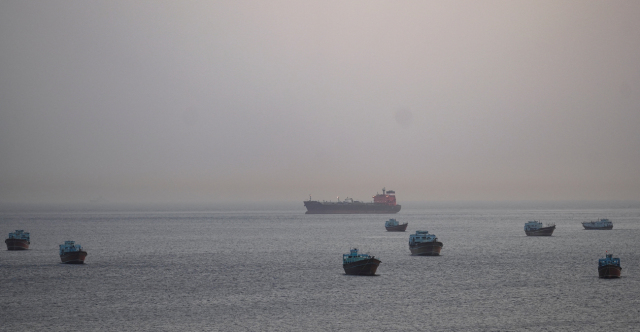
Yemen's Houthi movement has opened a new point of pressure in the regional conflict by declaring a naval blockade of Saudi ports and warning tankers to avoid them. The move raises the stakes for Riyadh, which is now facing a renewed maritime threat from a group it fought for years without securing a decisive victory.
The warning comes at a sensitive moment for energy markets. With the Strait of Hormuz already under strain from the wider US-Iran confrontation, the prospect of disruption in the Red Sea adds another layer of concern for global oil flows. Any threat to Saudi shipping routes can quickly affect market sentiment because the kingdom remains one of the world's most important oil exporters.
The development also shifts pressure toward the Red Sea, a crucial route for trade and energy transport. Even if shipping is not fully halted, the risk of attacks, delays, or higher insurance costs could unsettle tanker traffic and increase uncertainty for companies moving crude through the region.
Saudi Arabia is now weighing how to respond to the Houthi warning while trying to avoid a wider escalation. The situation highlights how regional conflicts are increasingly affecting major energy corridors, turning maritime security into a central factor for oil prices and broader economic stability.