ASEAN foreign ministers have raised strong concerns about the fallout from the conflict involving Iran, warning that Southeast Asia is especially exposed to energy and trade disruption. Their message reflects growing anxiety over pressure on vital shipping lanes in the Middle East and the effect that could have on economies that rely heavily on imported fuel.
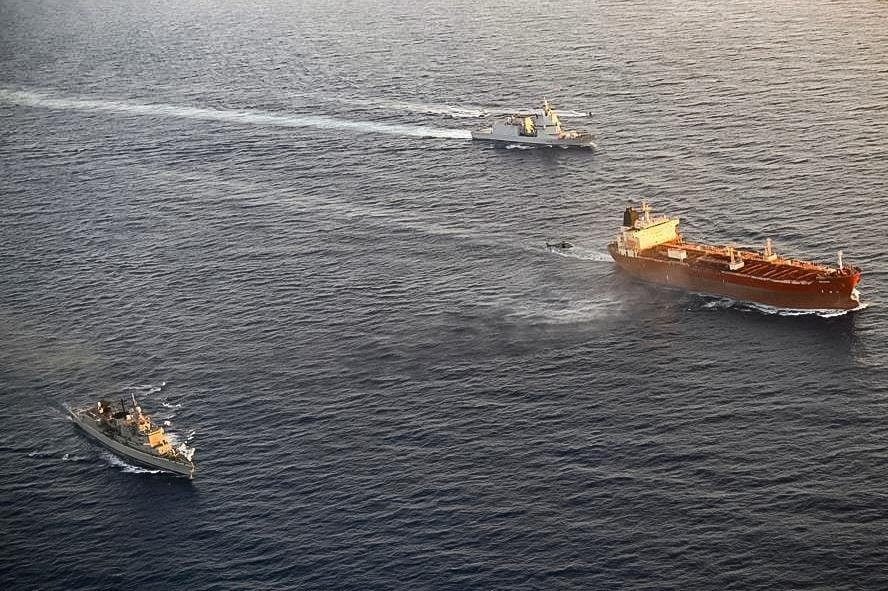
A central worry is the Strait of Hormuz, a key route for global oil flows. Any closure or prolonged disruption there can tighten supply, push up prices and create uncertainty for governments and businesses across the region. For many Southeast Asian countries, that means a direct risk to energy security as well as higher transport and production costs.
The ministers also highlighted the broader danger of blockades along major maritime trade routes. Beyond oil, interference in shipping can slow commerce, strain supply chains and add to inflationary pressure. That is a major concern for export-oriented economies in ASEAN, where trade stability is closely tied to growth and household costs.
The regional response underscores how conflicts far beyond Southeast Asia can quickly reshape markets at home. With fuel supply shortages already a concern, ASEAN’s warning points to the wider economic stakes of the Iran war and the need to prevent further disruption in one of the world’s most important energy corridors.