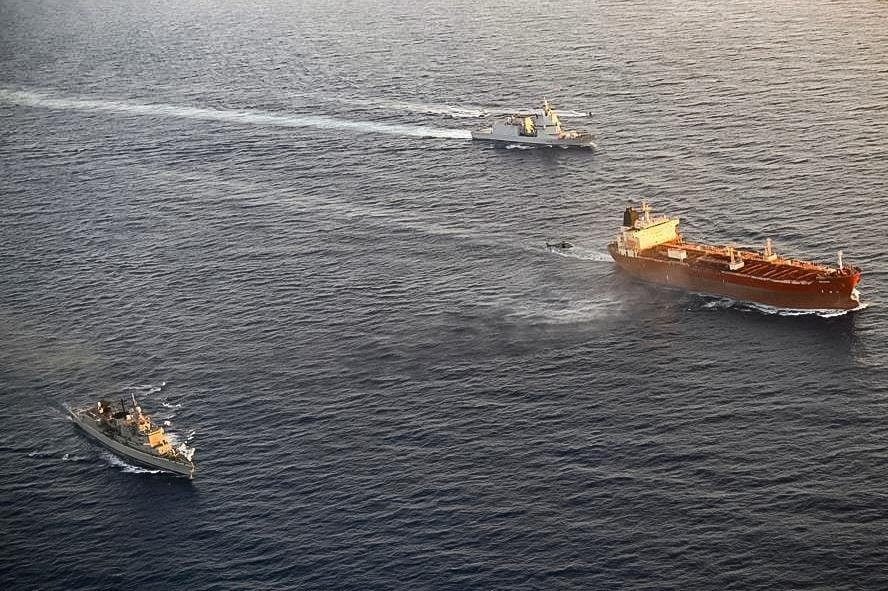
Iran-backed Houthi forces have declared a blockade in the Red Sea, widening concern over a conflict that could now affect one of the world’s most important maritime energy corridors. The move puts fresh attention on the Bab el-Mandeb Strait, a narrow passage that links the Red Sea to key global shipping lanes and carries major volumes of oil and other cargo.
According to the available details, the Houthis announced a naval blockade against Saudi Arabia, signaling a possible expansion of the confrontation beyond earlier flashpoints. Even the threat of disruption in this area matters because the strait is a vital route for tankers moving between the Middle East, Europe and other markets.
If traffic through the Bab el-Mandeb were seriously interrupted, energy markets could react quickly. Traders typically price in geopolitical risk when major shipping routes are threatened, and that can feed into higher crude costs, transport expenses and eventually consumer fuel prices. The scale of any price increase would depend on how effective the blockade becomes and whether ships are forced to reroute.
For now, the key issue is whether the announcement turns into a sustained disruption on the water. A successful effort to choke off movement through the strait would have consequences far beyond the immediate conflict zone, adding new pressure to global shipping and raising the prospect of more volatility in oil and fuel markets.