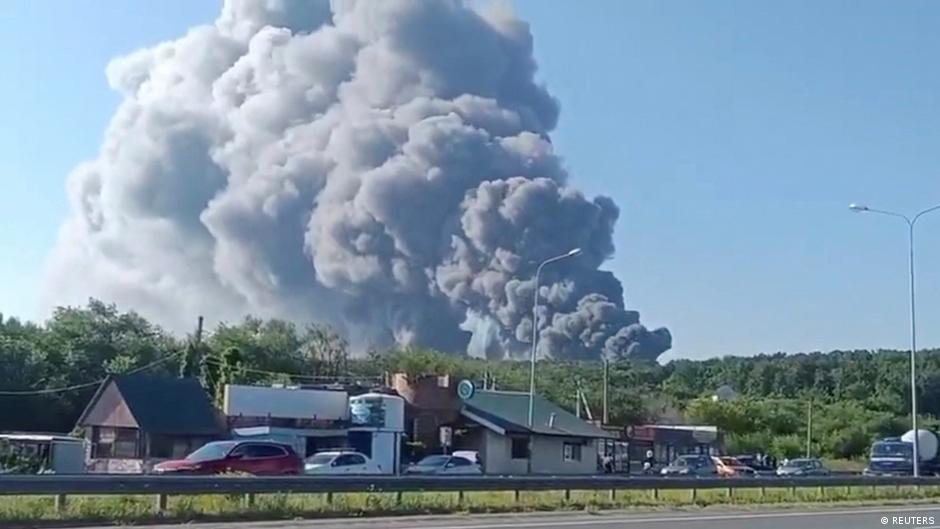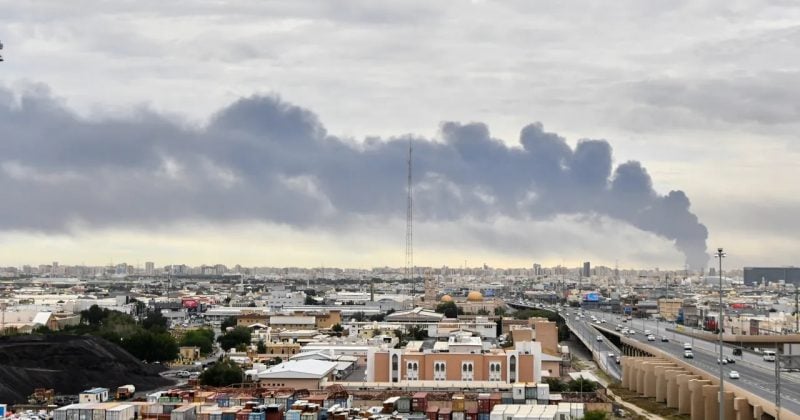
Iran’s reported drone and missile strikes on Kuwait’s power and water facilities have entered a fourth day, intensifying concerns about the safety of critical infrastructure in the Gulf. The repeated attacks highlight how exposed essential services can be during regional escalation, especially in countries tied closely to global energy supply chains.
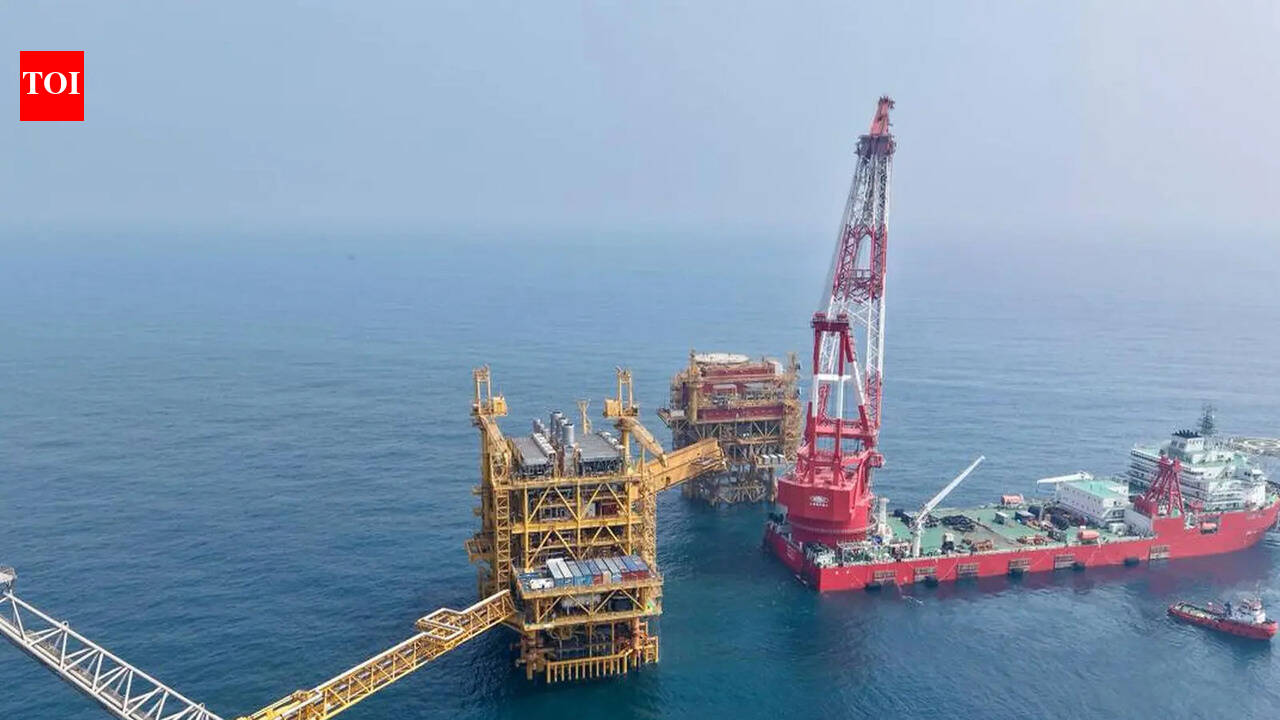
The latest developments have raised broader fears about Gulf energy security, as damage or disruption to utility networks can quickly spill into oil market sentiment. Even when attacks focus on domestic infrastructure rather than export terminals, they can still unsettle traders and policymakers by revealing weak points in connected systems across the region.
The situation also underscores the strategic overlap between electricity, water, and energy operations in Gulf states. Power and water facilities are central to daily life and industrial activity, so prolonged strikes can create pressure well beyond the immediate target area. Analysts are likely to watch whether the attacks prompt stronger regional defenses around infrastructure and supply continuity.
Beyond energy, the turmoil may have secondary effects on finance and technology trends in the region. Periods of geopolitical stress and market uncertainty can increase attention on alternative financial channels, including digital assets, though the longer-term impact remains unclear. For now, the main focus remains on containing disruption and assessing the wider risks to Gulf stability.