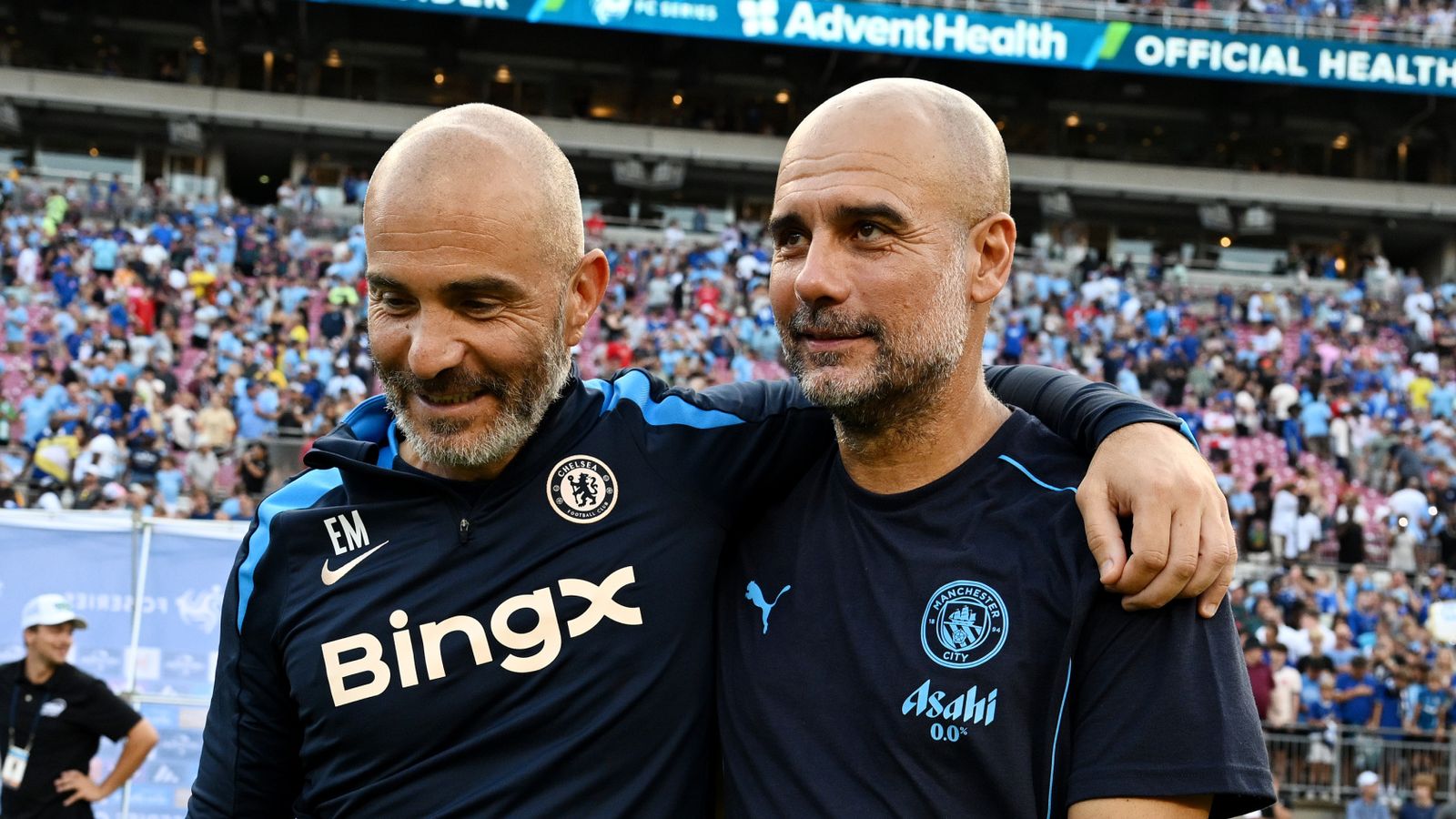
Manchester City are entering one of the biggest transitions in modern Premier League football, with Enzo Maresca taking charge after Pep Guardiola's departure. In a summer shaped by managerial changes across the division, City's decision stands out because of the level of success and stability that came before it.
Replacing Guardiola brings an immediate test of leadership, tactics and expectation. Any new manager at City would be judged against an exceptionally high standard, but Maresca now has to guide a club where winning is treated as the minimum requirement rather than the target. That means every team selection, tactical tweak and run of form is likely to be examined closely.
The job is made even more demanding by the wider issues surrounding the club, reflected in the "charges" mentioned alongside the football challenge. Off-field scrutiny can intensify pressure on a manager, especially when he is trying to establish authority and shape the next phase of a title-contending side. Maresca must therefore deal with both the competitive demands of the Premier League and the broader spotlight that comes with leading Manchester City.
For City, this is more than a routine coaching change. It is the start of a new era at one of England's biggest clubs, and the scale of the task is clear from the outset. Maresca has inherited enormous expectations, and how quickly he adapts could define not only his own tenure but also City's place in a rapidly changing Premier League landscape.

