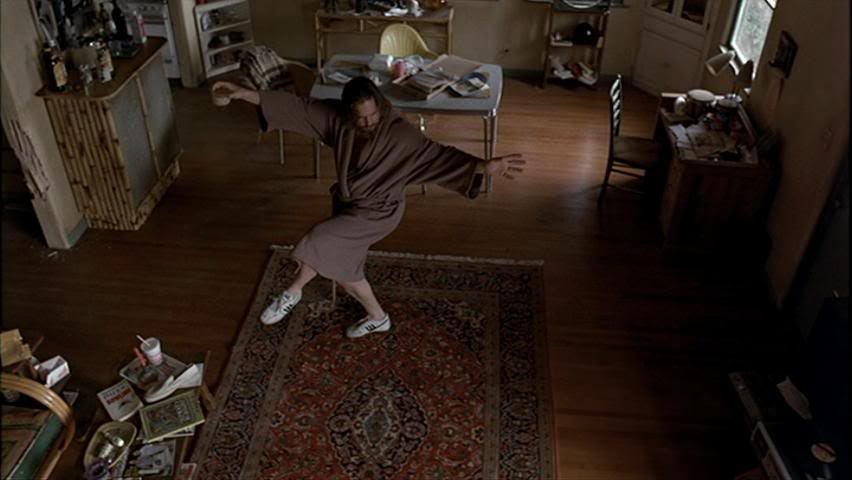
A Substack commentary titled "The False Zen Of Tuning Out" appears to take aim at the temptation to mentally check out during a tense political moment. Framed with dark humor and anxiety about an Iran-related war scare, the piece suggests that withdrawal can look like calm on the surface while covering up fear, exhaustion, or avoidance.
The snippet’s joking reference to an "Iran-war" mess and even a draft scenario signals a mood of escalating public stress rather than literal serenity. In that context, the essay seems to argue that stepping away from the noise may feel like a form of self-protection, but it can also become a way of refusing to engage with events that still carry real consequences.
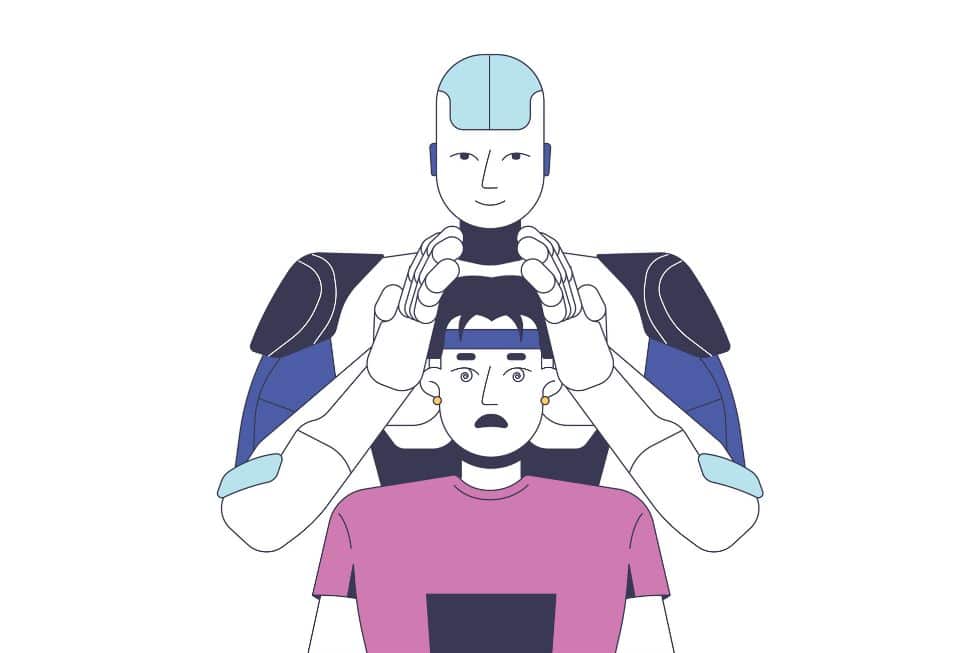
That tension between self-preservation and civic attention is likely the core of the column. When headlines become relentless, tuning out can seem healthy, even enlightened. But the title points to a "false zen" — a borrowed sense of peace that may depend less on clarity than on shutting out what feels overwhelming.
As an opinion piece, the article appears less focused on breaking developments than on the psychology of disengagement. Its message, based on the title and excerpt, is that detachment during political turmoil may offer brief relief, yet it does not resolve the anxiety or responsibility created by the crisis itself.