An emerging Iran-Pakistan alignment is drawing attention as a possible turning point in Southwest Asia’s political landscape. The article highlights how diplomatic symbolism around Ayatollah Ali Khamenei’s funeral has fueled discussion about changing regional relationships and the balance of influence in the area.
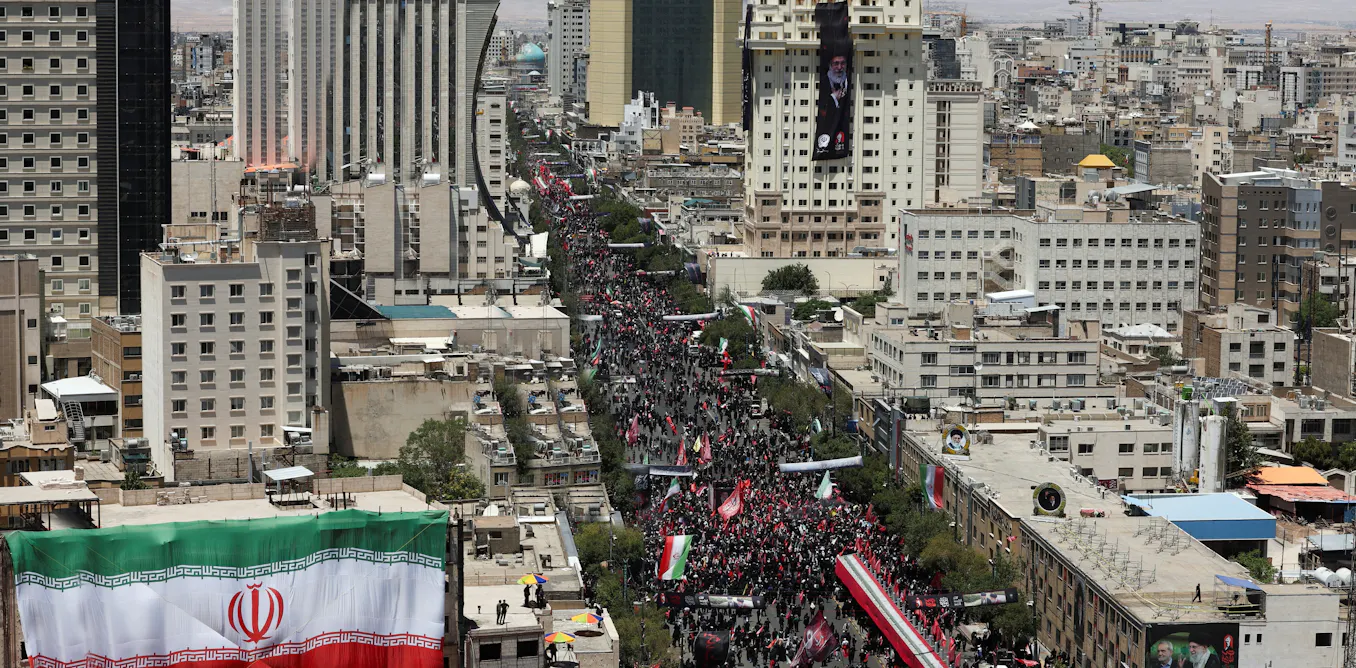
Many foreign delegations attended the four-day funeral ceremony in Mashhad, but Pakistan and Iraq stood out by sending their prime ministers. That detail is being viewed as more than protocol. It suggests that Islamabad, in particular, may be positioning itself more closely to Tehran at a moment when regional power structures are in flux.
The reported shift matters because Iran and Pakistan sit at the intersection of several security, political and economic fault lines. A stronger understanding between the two countries could affect how neighboring states assess alliances, border issues and regional diplomacy. Even limited signs of higher-level coordination can carry weight in a region where symbolic gestures often signal broader strategic intent.
If this emerging relationship deepens, it could influence how power is distributed across Southwest Asia and how other governments respond. The funeral attendance, while ceremonial on the surface, is being interpreted as a sign that new alignments may be taking shape between Tehran and Islamabad.