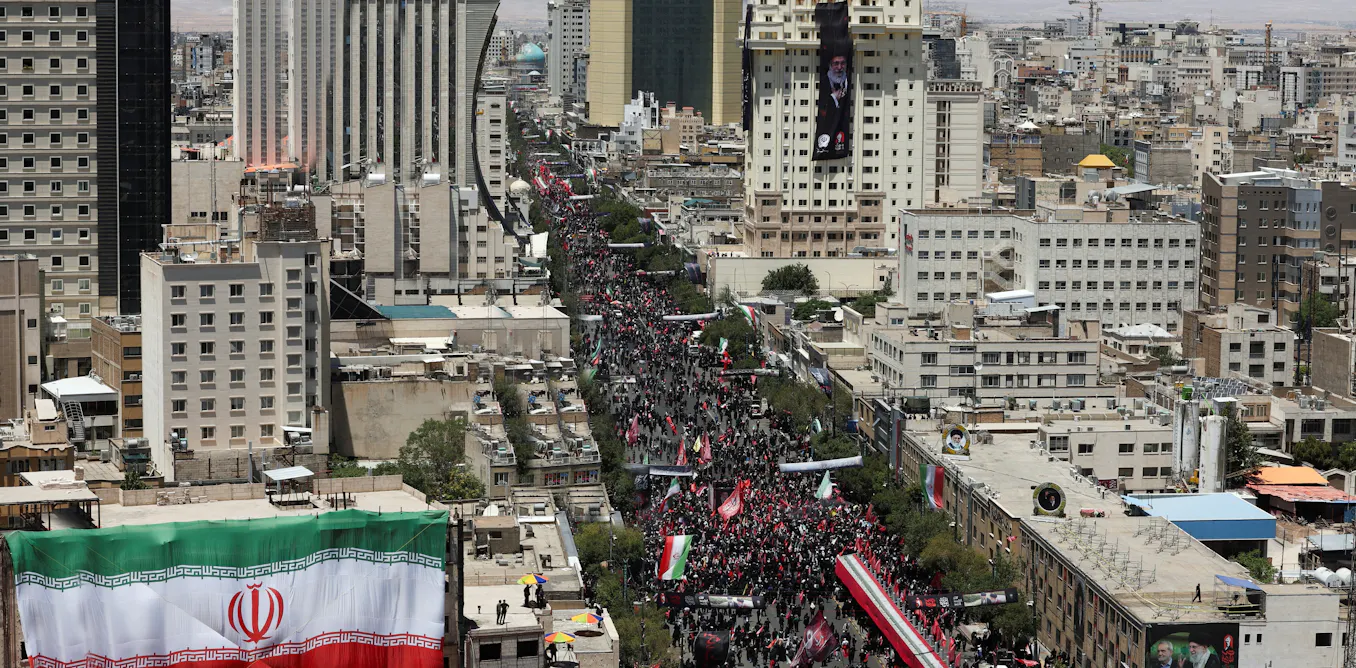
The burial of Iran’s Supreme Leader, Ayatollah Ali Khamenei, in Mashhad became more than a national moment of mourning. It also served as a diplomatic signal, with international delegations attending the four-day ceremony and regional governments watching closely for signs of political alignment.
Among the many countries represented, Pakistan and Iraq stood out because they sent their prime ministers. That level of representation gave added weight to the event and suggested that Islamabad, in particular, wanted to show visible support for Tehran at a sensitive moment.
The idea of an emerging Iran-Pakistan “axis of sympathy” points less to a formal alliance than to a growing political understanding. Public gestures of solidarity can matter in southwest Asia, where symbolic moves often shape perceptions of trust, influence and future cooperation. Pakistan’s presence at the funeral may therefore be read as part of a broader shift in how the region’s power relationships are evolving.
If that trend continues, it could affect the diplomatic calculations of neighboring states and alter the wider regional balance. Even without a formal bloc taking shape, closer Iran-Pakistan ties would signal that southwest Asia’s power structures are becoming more fluid, with new partnerships and shared interests gaining visibility.