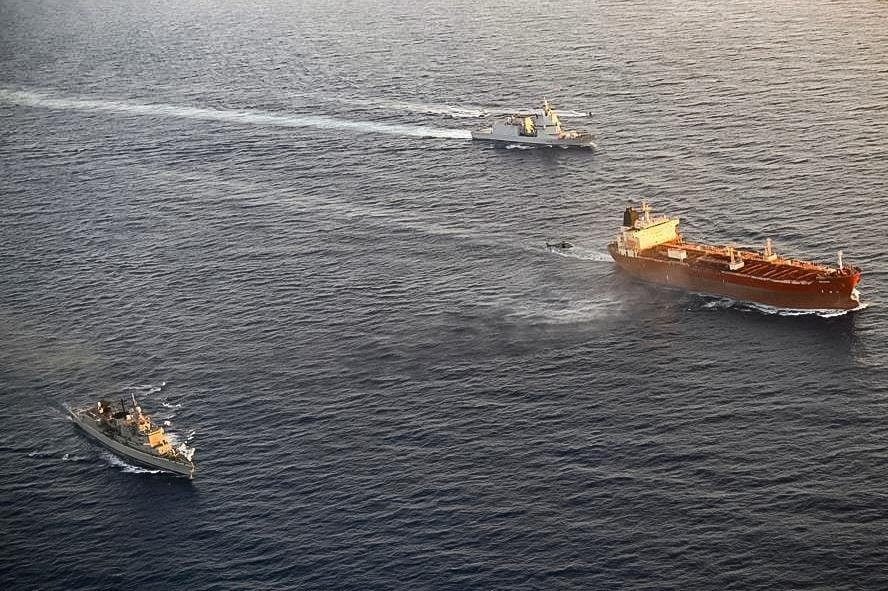
Iran’s confrontation with the United States over the Strait of Hormuz has become a high-stakes test of strategy and endurance. After days of strikes and counterstrikes, the central problem for Tehran appears to be that every available option carries major costs, while none offers an obvious path to success.
The Strait of Hormuz is described as a vital waterway, which helps explain why Iran is willing to take such a serious risk around it. Control, influence and deterrence all matter in a location with such strategic weight. But that same importance also raises the danger that any move by Iran can trigger a broader military, political or economic backlash.
As the conflict continues, Iran’s leadership seems to be weighing a narrow set of choices under pressure. Escalation could deepen the confrontation with the US. Holding its current line may prolong the crisis without changing the balance. Pulling back could reduce immediate danger, but it may also be seen as a setback after an intense exchange of attacks.
That leaves Iran in a difficult position: trying to show resolve without drifting into a confrontation it cannot clearly win. The struggle over the Strait of Hormuz is therefore not only about a strategic waterway, but also about how far Tehran is prepared to go when each decision appears to carry more risk than reward.