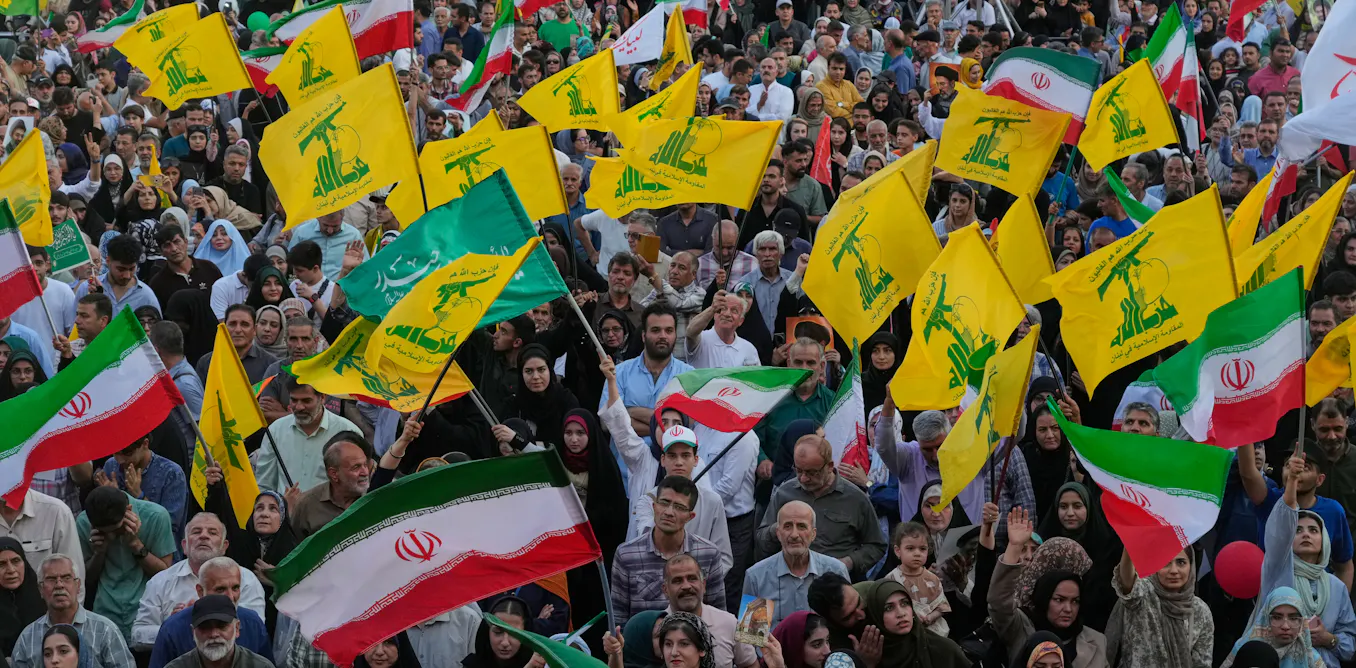
Hezbollah is facing a more uncertain moment in Lebanon as parts of the public grow increasingly disillusioned with the group. That shift raises difficult questions about how it can preserve influence in a country where political legitimacy and public sentiment remain critical to long-term survival.
The central issue is not only military or political strength, but whether Hezbollah can still present itself as a credible force for Lebanese interests. As support weakens, the group may be forced to reconsider how it balances its armed identity, domestic political role and broader regional commitments.
The discussion around Hezbollah’s future centers on several possible paths. These range from trying to adjust its strategy and rebuild public trust to resisting major change and risking deeper isolation. Any decision would carry consequences for Lebanon’s internal stability, the group’s standing among its supporters and its place in the wider Middle East.
What happens next will depend on how Hezbollah reads the public mood and whether it believes adaptation is still possible. With dissatisfaction in Lebanon becoming harder to ignore, the group appears to be approaching a decisive period in which its next move could reshape both its own future and the country’s political landscape.