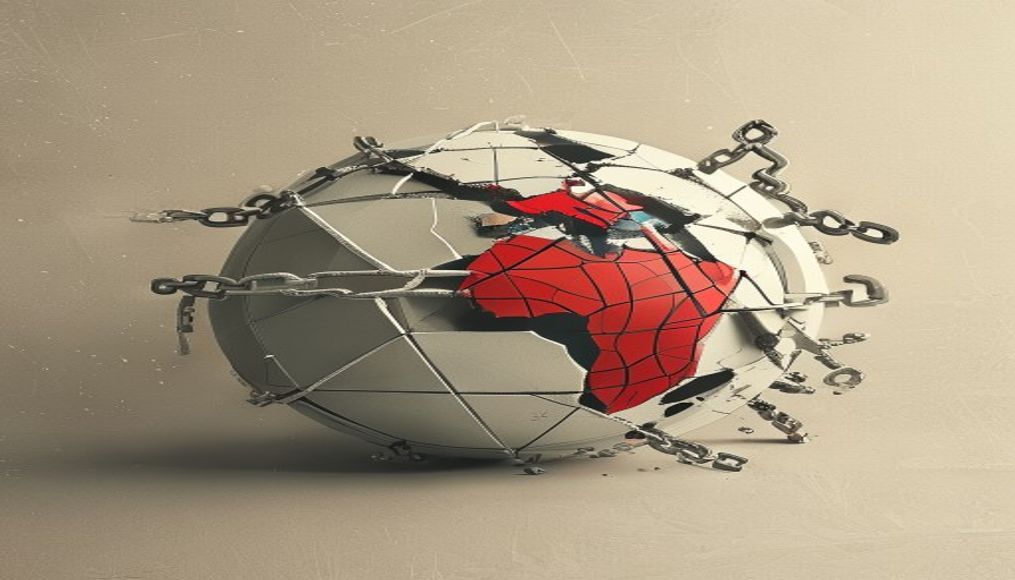
A geopolitical review dated July 21, 2026 argues that the international system is moving into a faster phase of fragmentation. Rather than power passing in a simple, linear way from one dominant center to another, the analysis points to a broader diffusion of influence across multiple actors and levels of the global system.
This framing suggests a more complex international environment, where traditional assumptions about stability, hierarchy and control are under pressure. As power becomes more dispersed, the global order appears less predictable and harder to manage through older models of diplomacy and strategy.
The review presents this shift as a structural change rather than a temporary disruption. In that context, states and institutions may need to adapt to a world shaped by overlapping centers of influence, competing priorities and a more fragmented decision-making landscape.
Overall, the summary highlights a period of geopolitical reconfiguration in which the main issue is not simply who leads next, but how authority, leverage and strategic weight are being redistributed. That dynamic could define international affairs in the months ahead as the global balance continues to evolve.