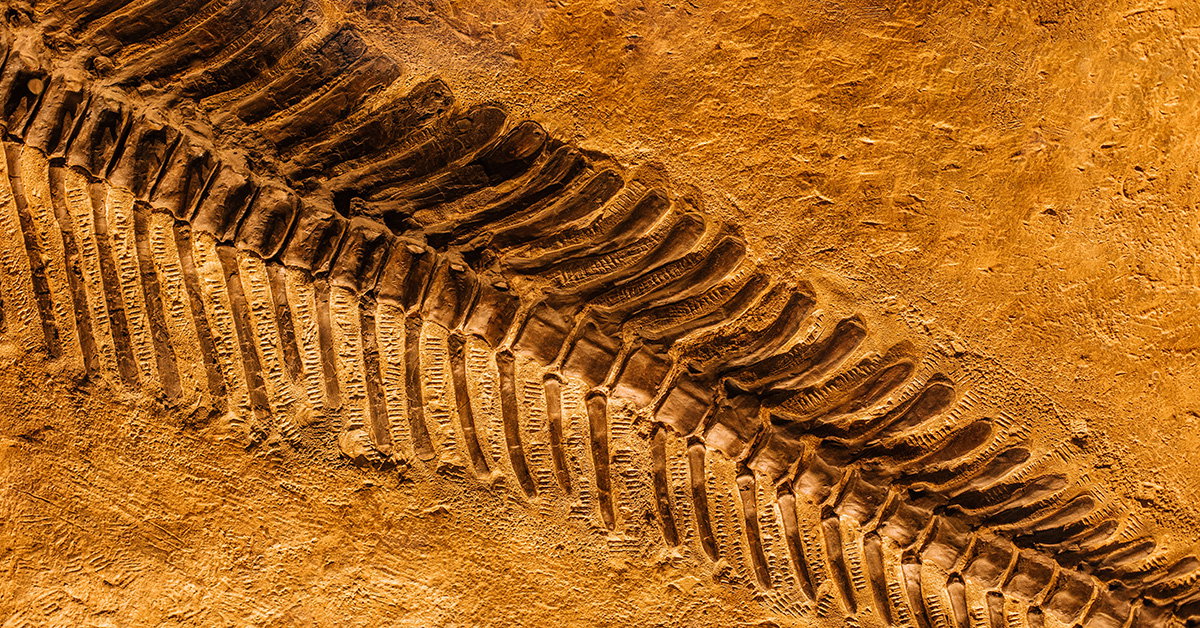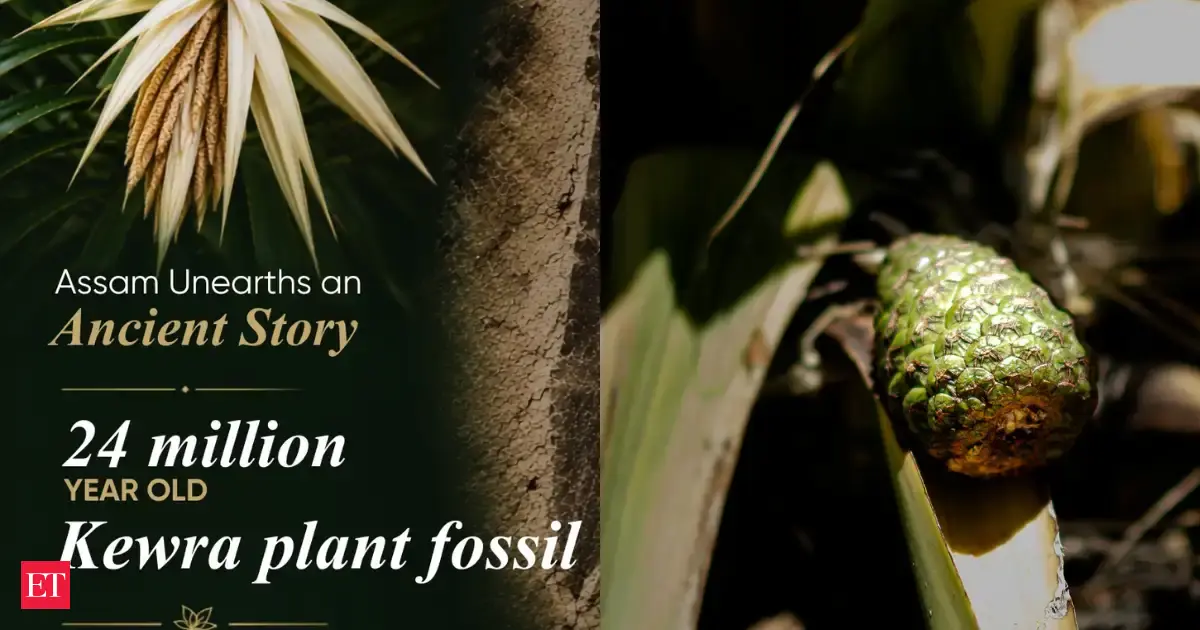
A 24-million-year-old fossil of the Pandanus plant, widely known as Kewra, has been discovered in Assam's Tinsukia district. The find is being seen as an important addition to the region's fossil record, pointing to a much older history for this fragrant screw-pine in northeastern India.
According to the details shared about the discovery, the fossil offers fresh evidence about Assam's ancient plant life and the kind of floral ecosystem that existed there millions of years ago. Finds of this kind help researchers piece together how prehistoric landscapes evolved and which species were present in the area long before modern habitats took shape.
Chief Minister Himanta Biswa Sarma said the fossil helps reveal how Kewra may have first reached the Indian subcontinent. That makes the discovery significant not only for local geology and paleobotany, but also for understanding the wider movement and spread of plant species across the region in deep time.
The Tinsukia discovery also underlines Assam's importance for studying prehistoric life and environmental change. As more fossil evidence is examined, scientists may gain a clearer picture of the vegetation, climate and biodiversity that once defined this part of India.