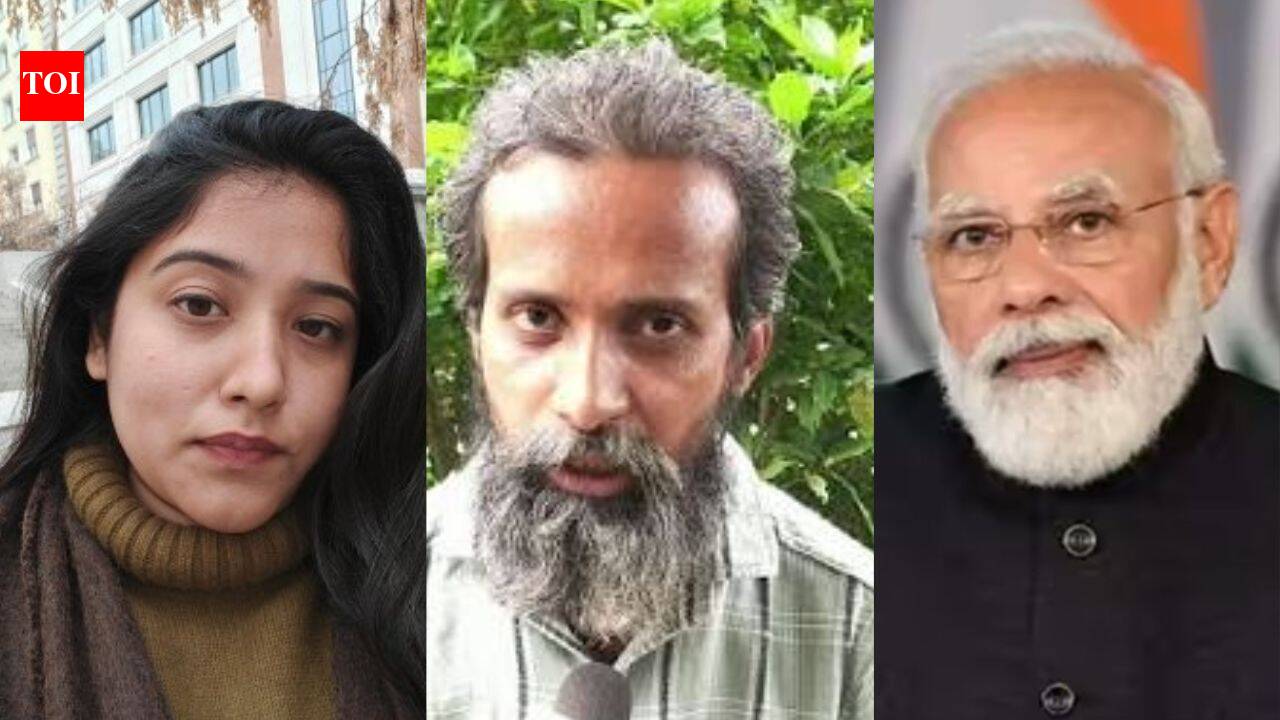
India’s CJP-led Gen Z protests have drawn attention for combining student anger with wider political demands. At the center of the agitation is outrage over exam irregularities, with protesters calling for the resignation of Education Minister Dharmendra Pradhan and changes to how major examinations are conducted.
The protests are not limited to education policy alone. Demonstrators are also pressing for long-pending constitutional safeguards for Ladakh, giving the movement a broader public and regional dimension. That has helped turn the issue from a narrow student grievance into a larger debate about accountability, representation and governance.
The spotlight on the protests has also renewed interest in Sonam Wangchuk, a 59-year-old engineer, education reformer and climate activist from Ladakh. He comes from a political family, being the son of Sonam Wangyal, a prominent politician and former minister in the erstwhile state structure. His background in education and public advocacy has made him an important reference point in discussions around the protest movement.
Overall, the CJP-led Gen Z protests reflect a rare convergence of youth-led frustration over exam credibility and a regional push for constitutional protections. The movement’s visibility shows how concerns over fair testing, political accountability and Ladakh’s status are now being discussed together in India’s public sphere.