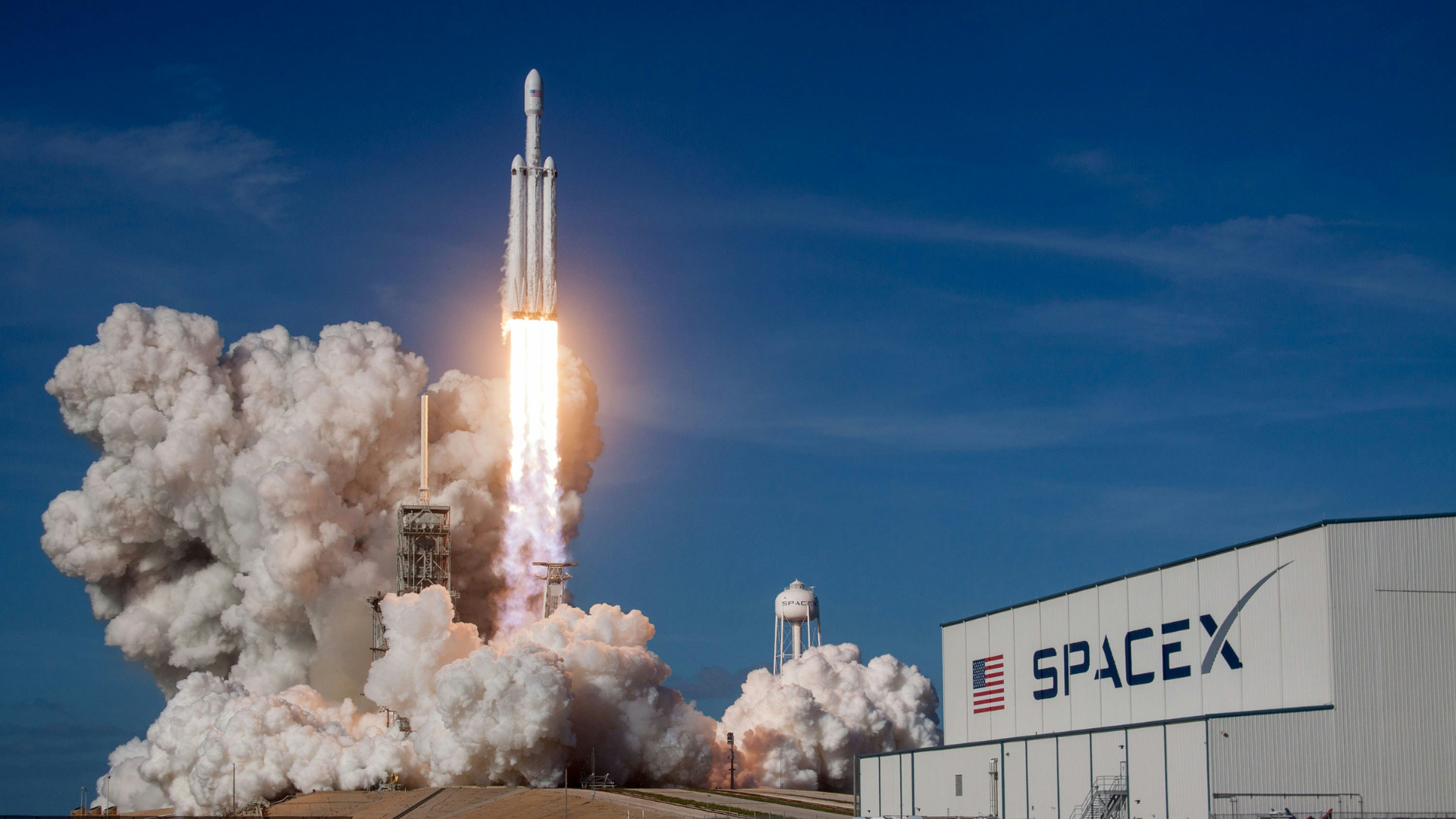
An astrophysicist is casting doubt on Elon Musk’s long-running vision of creating a self-sustaining city on Mars. According to science writer Adam Becker, the idea of establishing lasting human life on the Red Planet faces a serious and often overlooked barrier, making the goal much harder than it is sometimes presented.
Musk has framed a Mars settlement as a long-term safeguard for human civilization, with SpaceX at the center of that effort. But Becker’s argument suggests that launching people there is only one part of the challenge. The larger question is whether a colony could truly support itself in an environment as harsh and remote as Mars.
That distinction matters because a self-sustaining city would need to survive without constant, large-scale help from Earth. Becker’s reality check points to a gap between the ambition of the project and the practical limits of current science, engineering, and long-term survival planning.
Rather than treating Mars settlement as an imminent milestone, Becker argues it may remain out of reach for centuries. His warning adds to the broader debate over whether the dream of life on Mars is a realistic next step for humanity or a far more distant possibility than its biggest advocates suggest.