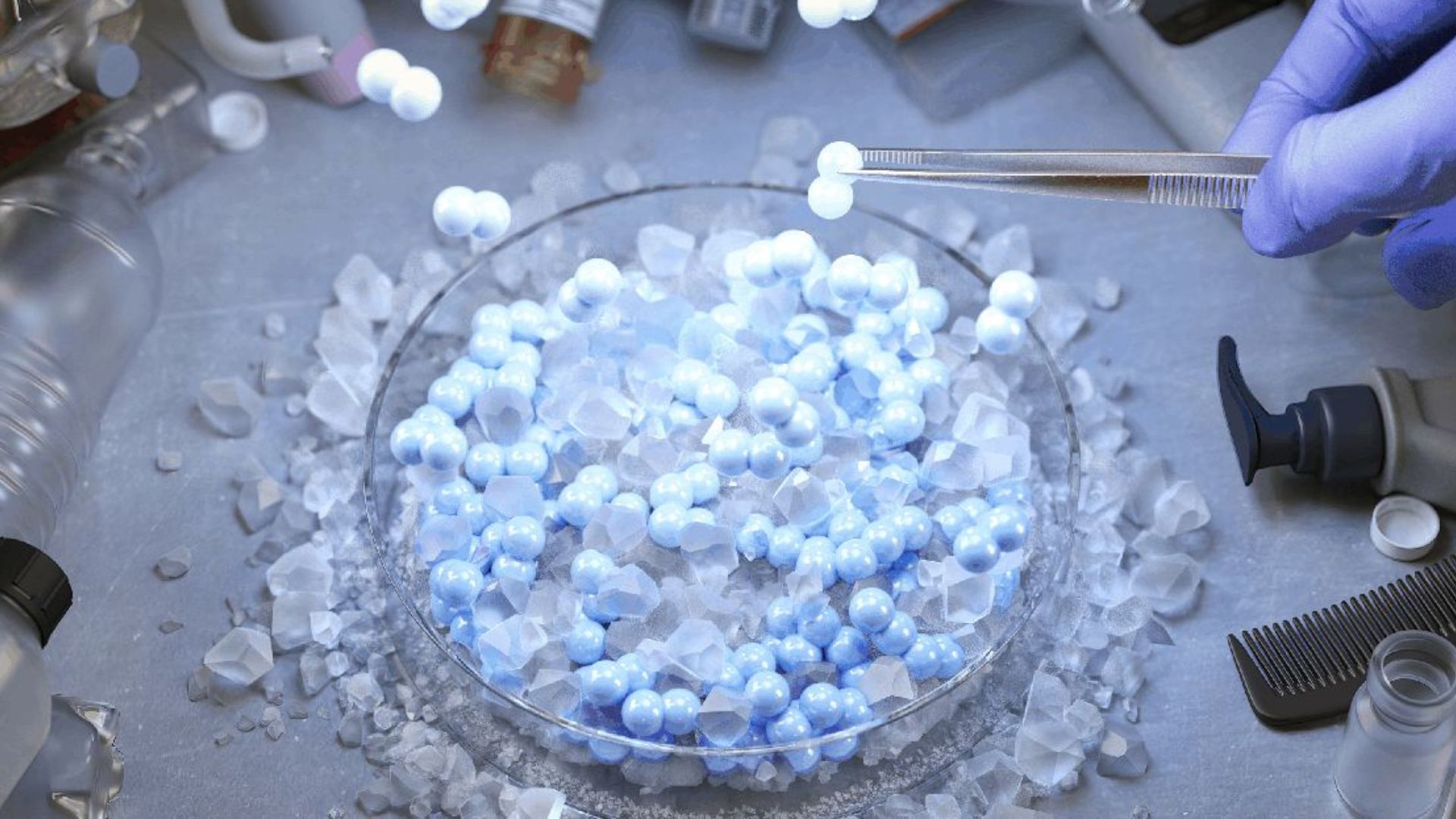
Researchers have tested a process called Alkaline Thermal Treatment (ATT) that converts mixed plastic waste into hydrogen fuel, with reported hydrogen purity reaching about 90%. The work is linked to researchers from the UCLA Samueli School of Engineering and Ewha Womans University.
The approach stands out because it is described as a single-reactor process, potentially simplifying how plastic waste is handled and transformed. Mixed plastics are often difficult to recycle through conventional systems, so a method that can process varied waste streams while producing a useful fuel could draw significant attention.
Hydrogen is widely seen as an important energy carrier for cleaner industrial and transport applications, but producing it efficiently and with lower environmental impact remains a challenge. Turning discarded plastic into high-purity hydrogen could offer a dual benefit by addressing waste management problems while creating a fuel that may be used in cleaner energy systems.
While the early test results point to promising performance for ATT, the broader significance will depend on how the process scales, its overall efficiency, and how it compares with other waste-to-fuel technologies. Even so, the reported outcome highlights growing interest in technologies that recover value from hard-to-recycle plastic waste.