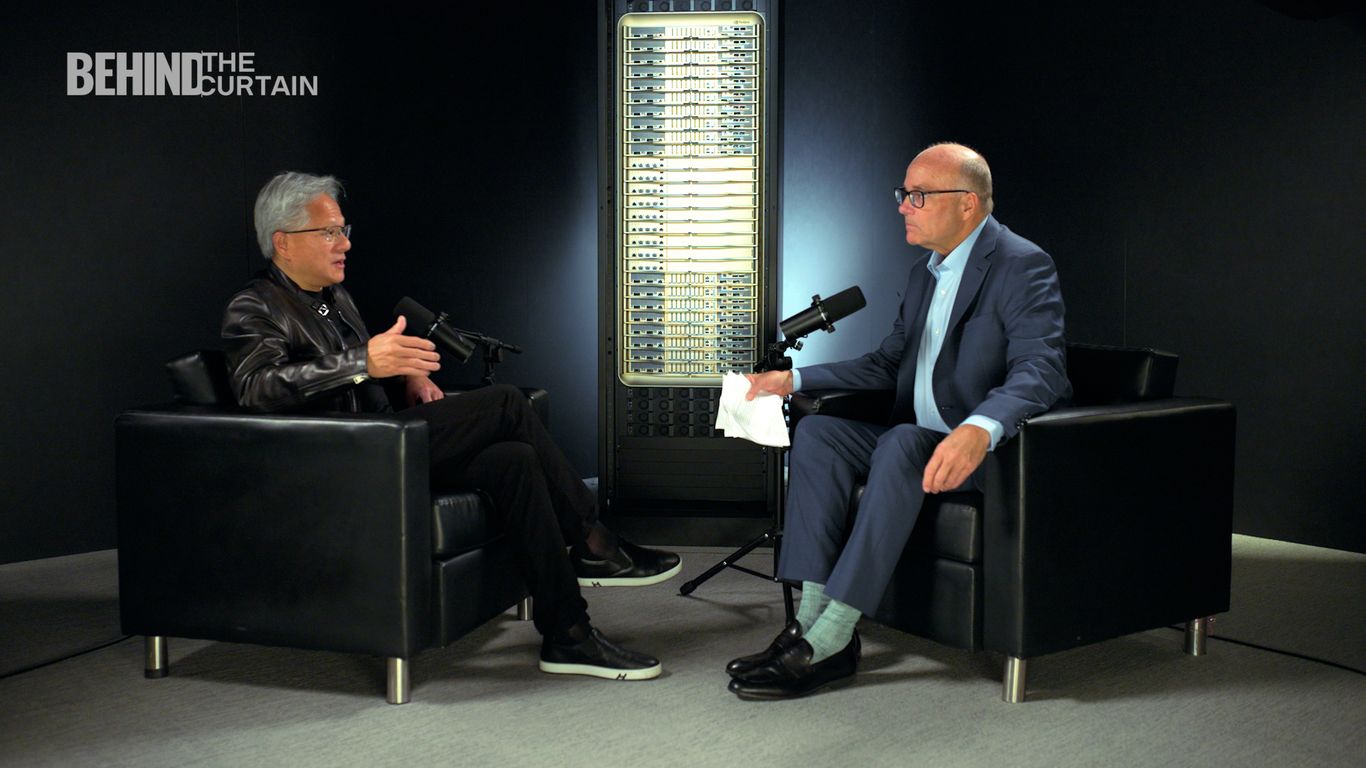
Nvidia CEO Jensen Huang is pushing back against efforts to shut American companies out of Chinese artificial intelligence models, arguing that U.S. businesses should be allowed to use them. His comments come as anxiety builds around fast-moving Chinese AI offerings and the industry reaction often described as a "Kimi panic."
The debate has intensified because some of Nvidia’s own customers, including OpenAI and Anthropic, have raised alarms about Chinese rivals. They have argued that Chinese developers have benefited from capabilities drawn from American systems and have warned that China’s growing open-source AI ecosystem could put added pressure on U.S. companies.
Huang’s position highlights a widening split inside the AI sector. On one side are companies calling for stronger protections and tougher limits as competition from China accelerates. On the other is the view that access to the best available models, wherever they come from, should remain open to American firms trying to build products and stay competitive.
The issue reflects a larger struggle over how the United States should respond to China’s rapid AI progress. It is no longer only a question of chips and hardware, but also of software, model access and whether restricting foreign tools helps American leadership or makes it harder to compete in a global market.