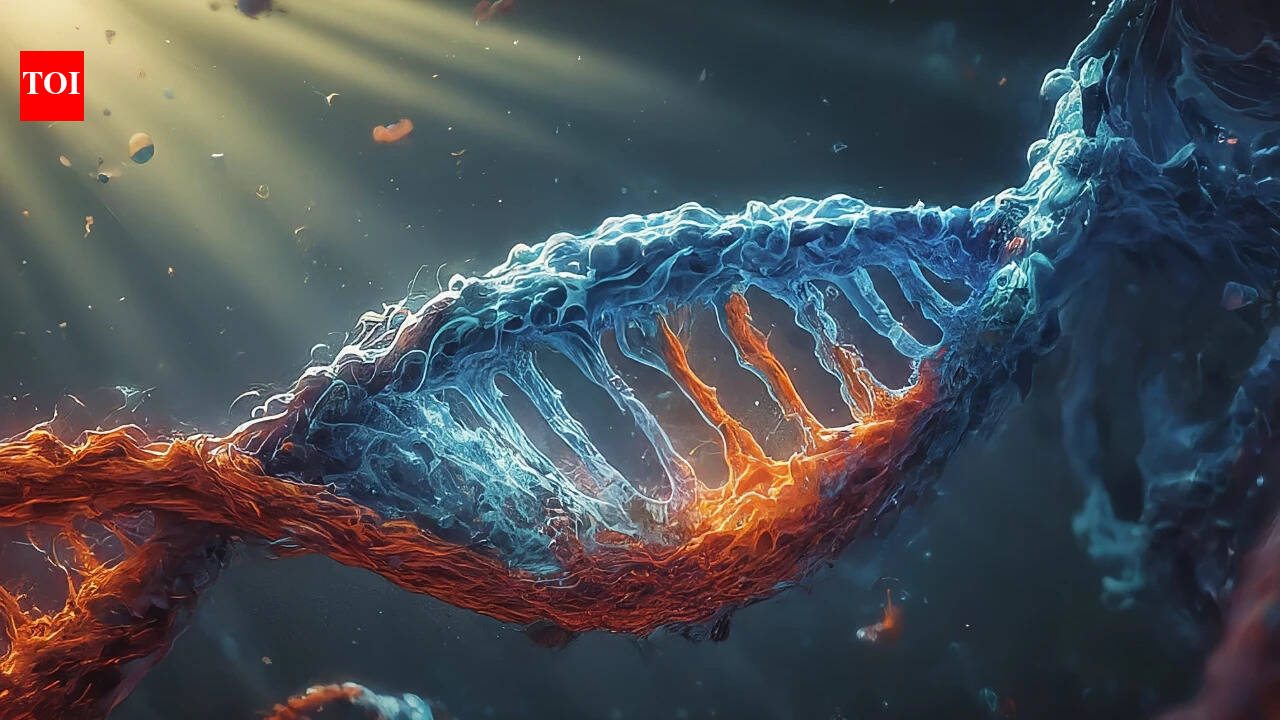
For years, the upper limit of human life has often been framed around 122 years. A new paper published in July 2026 in the journal npj Aging is now challenging that idea, suggesting people may have the biological potential to live as long as 156 years.
The report adds a new layer to the scientific debate over aging and longevity. Rather than treating 122 as a fixed ceiling, the new model argues that the human lifespan may extend decades beyond what many people have assumed. That does not mean large numbers of people will suddenly reach that age, but it does point to a higher theoretical limit for human survival.
Interest in the topic remains high because extreme longevity is still rare. The world’s oldest living person, Ethel Caterham of the United Kingdom, is 116 years old, according to Guinness World Records. Cases like hers show how unusual it is to live far beyond the average lifespan, which is why any research on the maximum human lifespan attracts wide attention.
Even so, a model is not the same as proof that humans will routinely live to 156. The new findings are best seen as part of an evolving scientific discussion about how aging works, what ultimately limits the body, and whether the boundaries of human life are wider than previously believed.