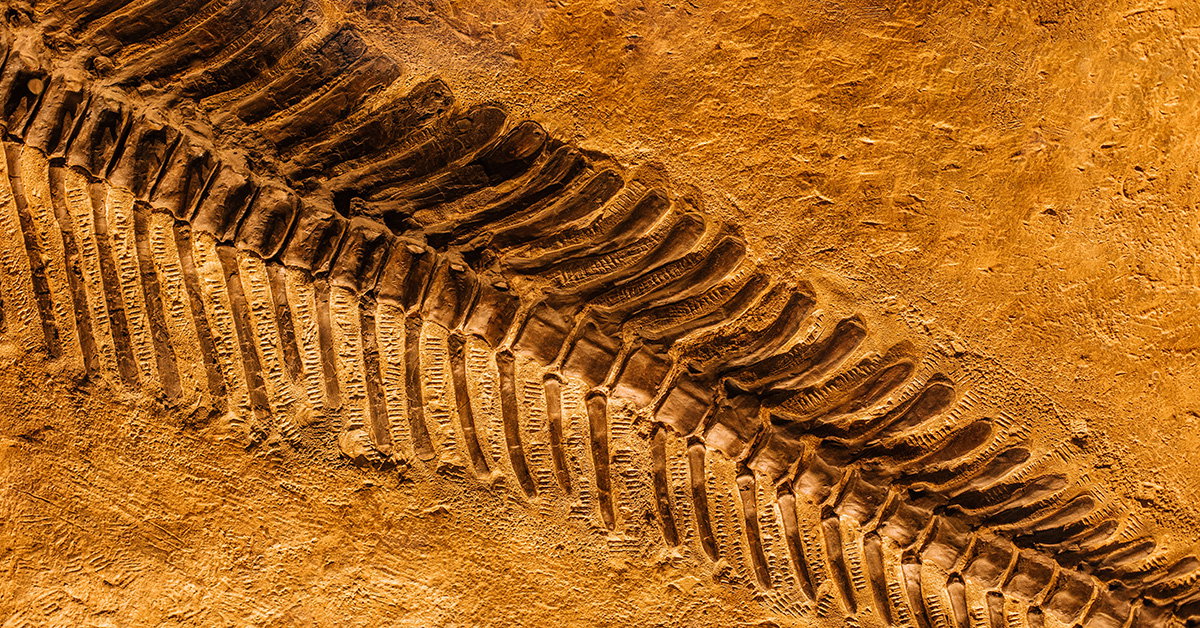
Moss may be among the oldest plant life seen in the fossil record, but new research suggests it is far more dynamic than its small size implies. A recent study reports that moss cushions can generate electrical waves with patterns that resemble activity seen in neural networks.
The finding adds to growing interest in how plants process and respond to their surroundings. While moss does not have a brain or nerves, the reported electrical behavior points to a surprisingly organized internal system that may help coordinate activity across the plant.
According to the study published in Royal Society Open Science, the electrical signals were observed in dense moss growths known as cushions. Researchers say these wave-like patterns appear complex enough to invite comparisons with the signaling behavior associated with networked biological systems.
The work broadens the conversation around plant intelligence and communication by showing that even very early plant forms may use sophisticated electrical activity. For scientists, the results offer another reminder that simple-looking organisms can still operate in remarkably intricate ways.