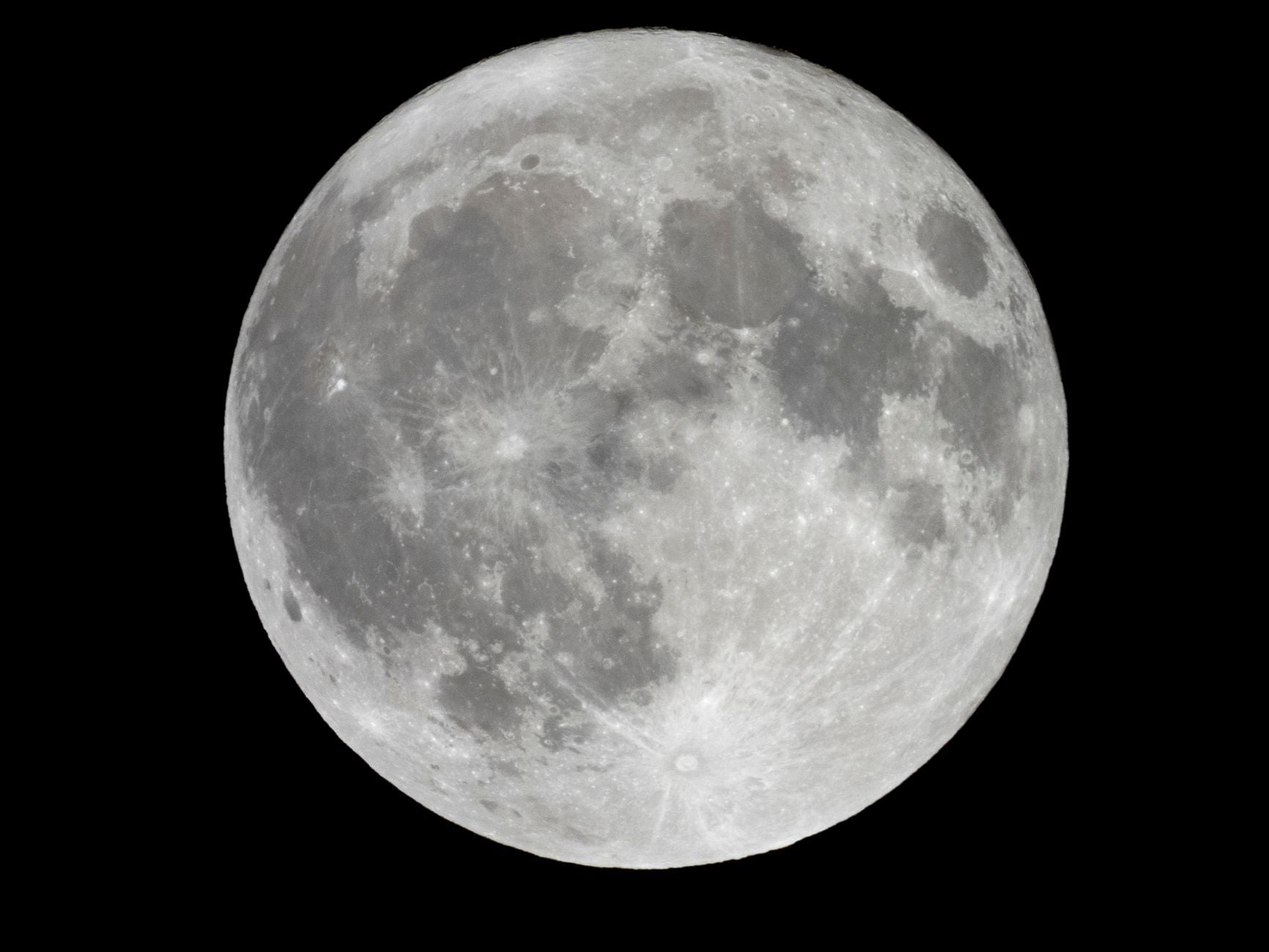
Apollo astronauts discovered that Moon dust was more than a nuisance during lunar missions. Once tracked back into the cabin after moonwalks, the fine gray soil stuck to gear, spread through the spacecraft and quickly became an operational problem.
According to accounts carried from one crew to the next, the dust could clog seals and scratch helmet visors, showing how abrasive the lunar surface material was. Its tendency to cling to equipment made it difficult to contain, turning a layer of dirt into a hazard for both hardware and crew comfort.
The dust also affected astronauts physically. One crew member described sneezing and irritation that became known as “lunar hay fever,” highlighting how exposure inside the cabin could trigger an immediate reaction. The problem was not only technical but also personal, as astronauts had to live in close quarters with the material they brought back from the surface.
Another detail that stayed with the crews was the smell. After repressurisation and helmet removal, astronauts reported that the Moon dust carried an odor oddly similar to spent gunpowder. That unexpected sensory detail, combined with the dust’s damaging effects, helped make lunar soil one of the Apollo program’s most memorable and troublesome surprises.