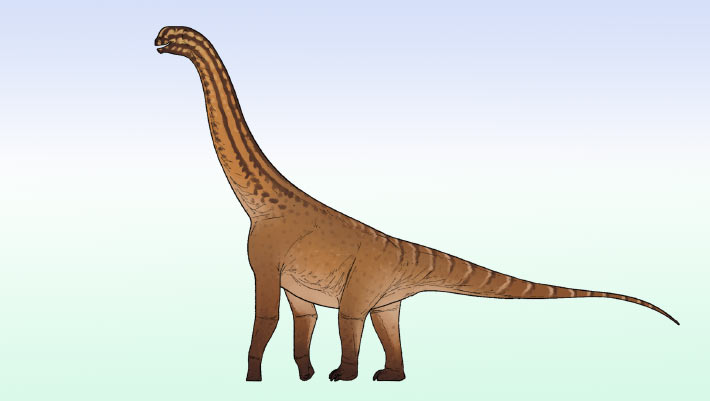
Paleontologists working in India have uncovered the partial skeleton of a small, previously unknown neosauropod dinosaur from Middle Jurassic rock layers in Gujarat’s Kachchh Basin. The find adds a new dinosaur to India’s fossil record and highlights the region’s importance for understanding early sauropod evolution.
Sauropods are the long-necked plant-eating dinosaurs that later included some of the largest land animals in Earth’s history. This newly reported specimen stands out because of its relatively small size and because it belongs to the neosauropod group, a major branch within sauropod evolution. Even though the remains are incomplete, the fossil appears significant enough for researchers to identify it as a distinct dinosaur.
The discovery is important not only for naming a new animal, but also for refining the timeline of these dinosaurs in India. According to the report, the fossil pushes back the known record tied to this group, suggesting neosauropods were present in the region earlier than previously recognized.
Finds from the Middle Jurassic are especially valuable because fossils from that period can help bridge gaps in the evolutionary history of dinosaurs. The Kachchh Basin specimen offers fresh evidence from a key interval in time and may help scientists better trace how early sauropods diversified across ancient landscapes.





