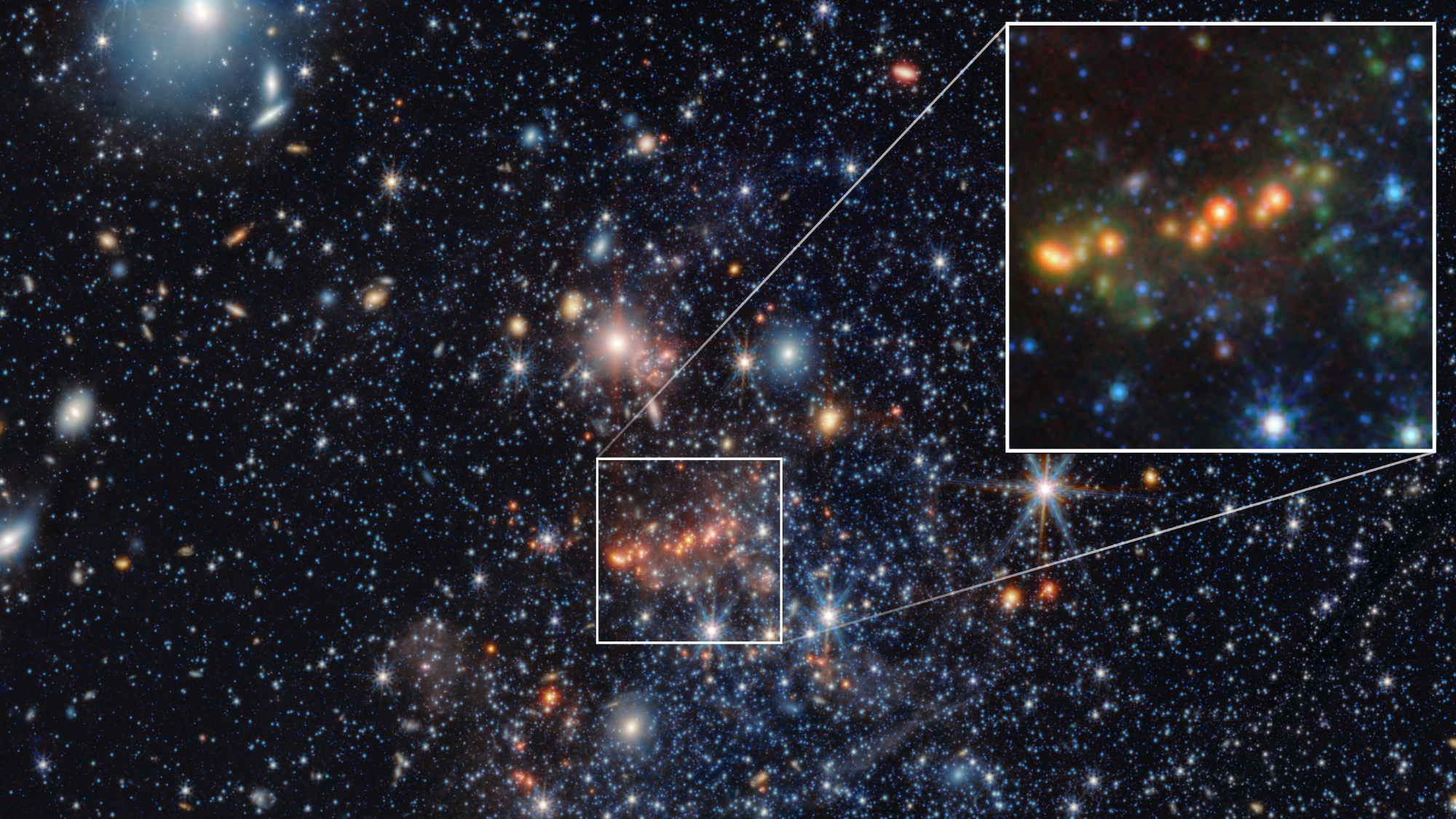
The James Webb Space Telescope is helping scientists investigate the cosmic “factories” that produced huge amounts of stardust in the early universe. By looking deeper into space and further back in time, JWST is revealing how dust-rich environments formed during a period that has long been difficult to study.
According to the report, Webb’s strength lies in its ability to observe these distant regions in unprecedented detail. Areas that were once largely beyond reach can now be examined more closely, giving researchers a better view of the conditions that allowed dust to build up in the young cosmos.
That matters because stardust plays a major role in the evolution of galaxies, stars and planets. Understanding where this material came from and how it spread through the early universe could help scientists explain how complex cosmic structures developed over time.
The new findings add to JWST’s growing impact on astronomy by opening a clearer window into the universe’s earliest stages. As more observations arrive, researchers are expected to refine their picture of the processes that turned the young cosmos into a dust-filled environment rich with the ingredients for future generations of stars.