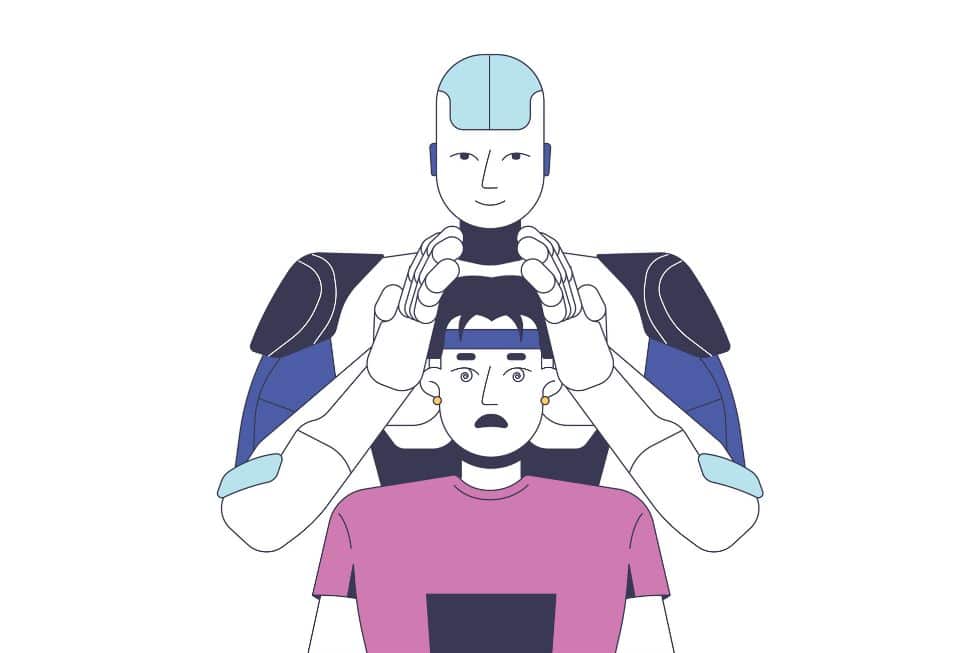
As artificial-intelligence tools take on more tasks in laboratories and research workflows, scientists are weighing what should remain firmly human. In a reader-driven feature, Nature gathered views from people who say that although AI can help speed up science, they do not want chatbots to absorb every meaningful part of the job.
The responses point to a broader debate over automation in research. Many scientists appear comfortable using AI for support, but they draw a line when it comes to the parts of science that bring purpose, creativity and satisfaction. The concern is not only about efficiency, but also about protecting the human experience of discovery.
Nature’s snapshot suggests that researchers see value in keeping ownership of the work that defines their identity as scientists. As AI becomes more capable, the question is shifting from what machines can do to what people still want to do themselves. That includes the aspects of research that feel intellectually rewarding rather than purely procedural.
The discussion highlights a central tension in modern science: AI may accelerate progress, but researchers do not necessarily want to surrender the joy of thinking, exploring and interpreting their work. For many, the future of AI in science is not about full replacement, but about deciding which tasks should remain in human hands.