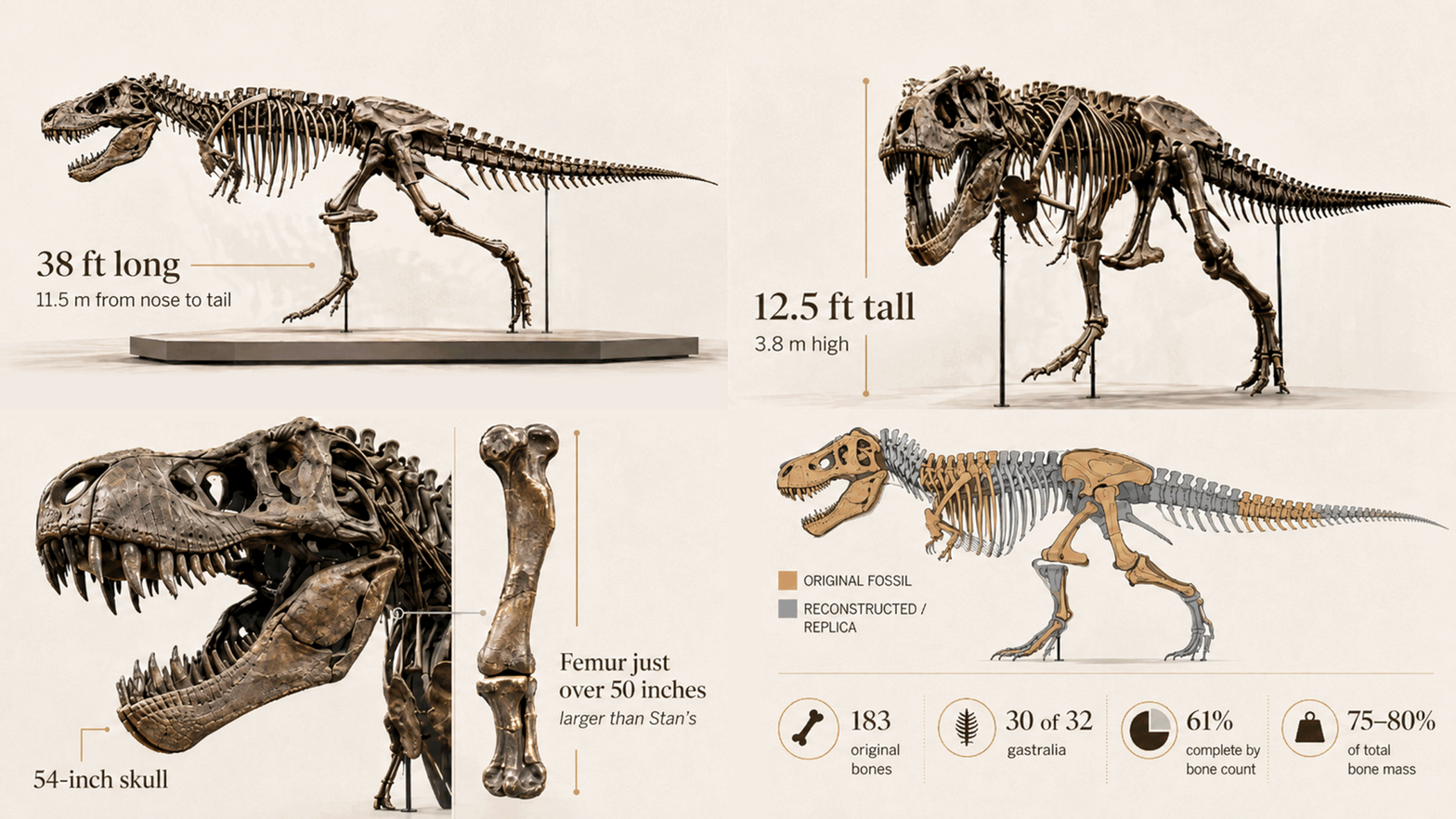
A 67-million-year-old Tyrannosaurus rex skeleton known as Gus has been sold for $50.1 million at Sotheby’s in New York, making it the most expensive fossil ever auctioned. The sale puts the specimen among the highest-profile dinosaur finds to enter the market.
The record price highlights the growing demand for rare prehistoric remains, especially complete or visually striking dinosaur skeletons. High-value auctions like this continue to draw attention far beyond the scientific world, attracting wealthy collectors and institutions alike.
At the same time, the sale has renewed a familiar concern in paleontology: whether important fossils remain available for research after entering private ownership. If a major specimen is placed out of public or academic reach, scientists may lose opportunities to study it in detail or compare it with other known fossils.
That is why Gus is being discussed not only as a headline-making auction result, but also as a test of the tension between commerce and science. While the fossil’s price marks a historic moment for the auction market, its long-term value to research may depend on where it goes next and how accessible it remains.