A new look at one of Earth’s deadliest extinction events suggests the disaster was not caused by volcanoes alone. During the end-Triassic mass extinction roughly 200 million years ago, major shifts in climate and geology helped wipe out about 80% of species. Researchers now say an unexpected plant-related effect may have intensified the damage after volcanic activity set the crisis in motion.
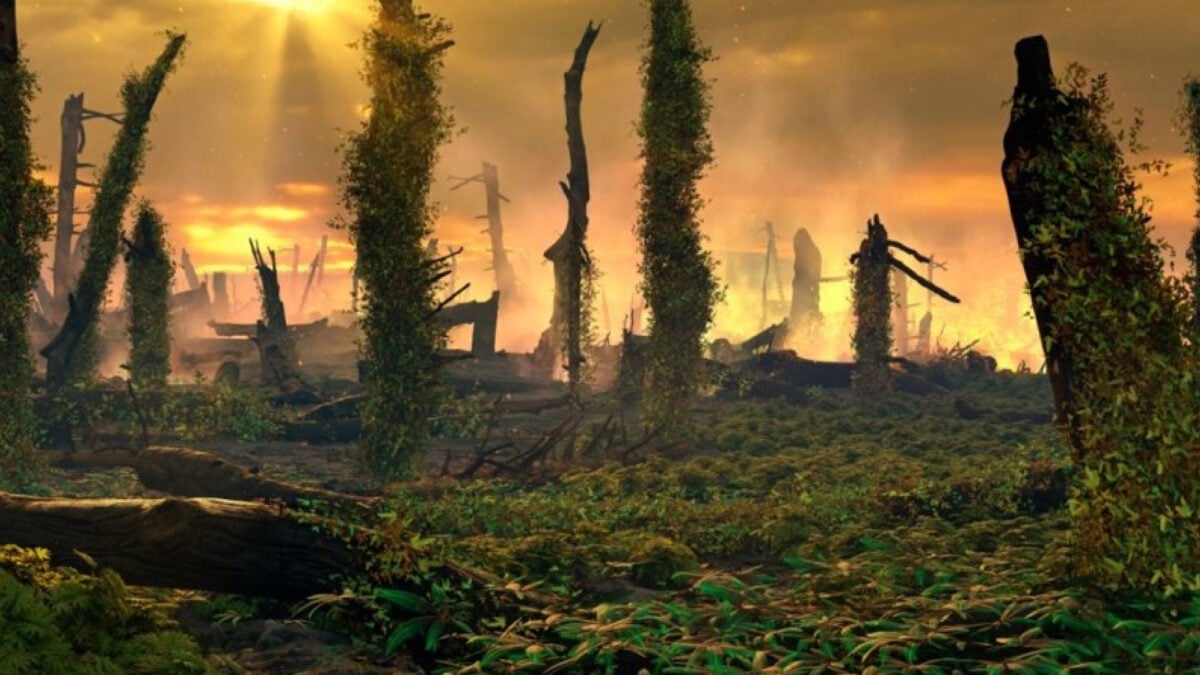
The event, often described as part of Earth’s “Great Dying” story of mass extinctions, unfolded during a period of extreme environmental instability. Large volcanic eruptions are believed to have released huge amounts of gases, disrupting the climate and changing conditions on land and in the oceans. Those changes created a chain reaction that many species could not survive.
What makes the new finding notable is the idea that plant life may have amplified the upheaval rather than softened it. The research points to a surprising interaction between Earth’s biological systems and its changing atmosphere, showing how natural processes can combine in destructive ways. Instead of acting as a stabilizing force, this plant factor may have pushed already stressed ecosystems further toward collapse.
The study adds to a growing picture of mass extinctions as complex events driven by multiple overlapping causes. In the case of the end-Triassic extinction, the combination of volcanic disruption, climate shifts and an unexpected botanical role appears to have made a catastrophic episode even worse for life on Earth.