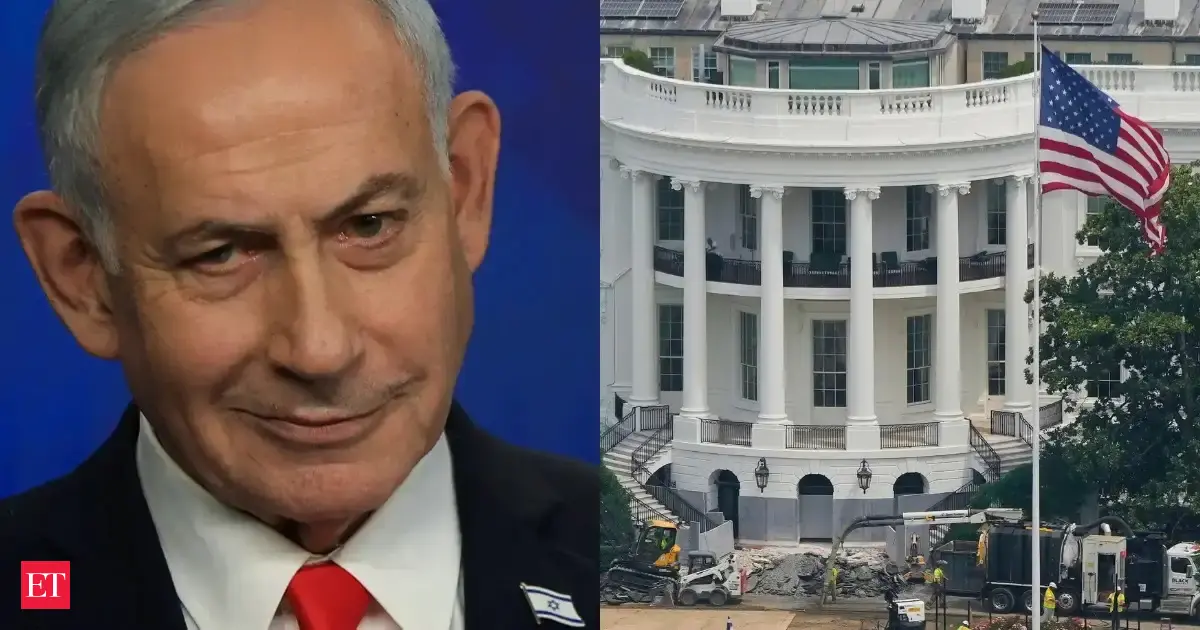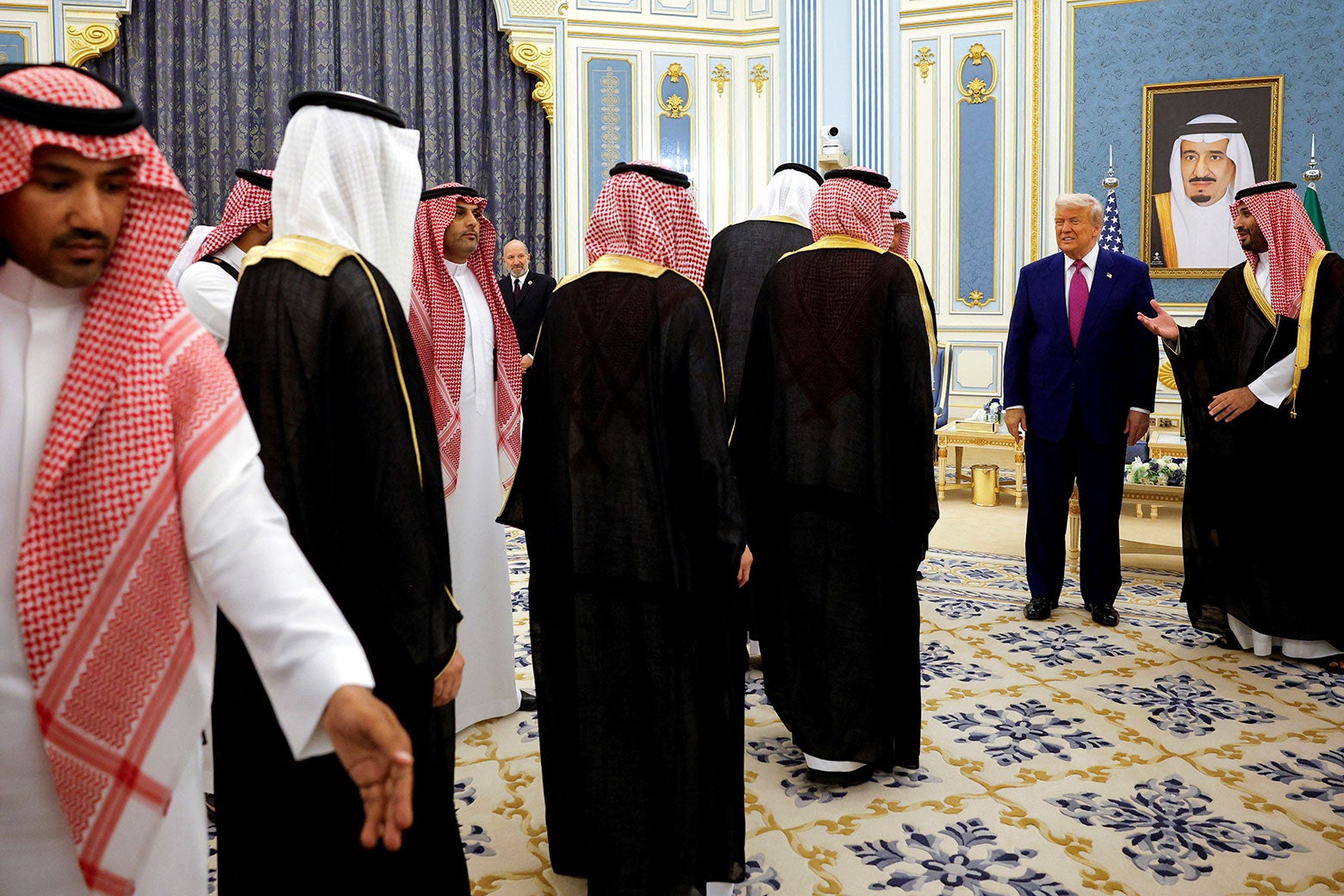
President Donald Trump’s reported agreement to help Saudi Arabia develop nuclear energy is being interpreted as more than a bilateral deal. The move is being framed as a sign that Washington’s traditional posture toward Israel may be changing, especially as regional priorities in the Middle East continue to shift.
The central argument is that a deal like this would have been harder to imagine not long ago, when U.S. policy was more tightly aligned with Israeli concerns on major regional security issues. By moving ahead with cooperation involving Saudi nuclear energy, Trump appears willing to place broader strategic interests with Gulf partners higher on the agenda.
That matters because Israel has long counted on strong, near-automatic backing from the United States when sensitive regional arrangements were under discussion. A Saudi nuclear pact, even if presented as part of a wider diplomatic or economic strategy, suggests that Israel’s preferences may no longer carry the same weight they once did in Washington.
The development fits into a wider debate over whether U.S. support for Israel is becoming more conditional, more politically contested, or simply less dominant in decisions about the region. In that reading, the Saudi nuclear agreement is not an isolated event but another indication that American policy is being recalibrated around new alliances and competing priorities.