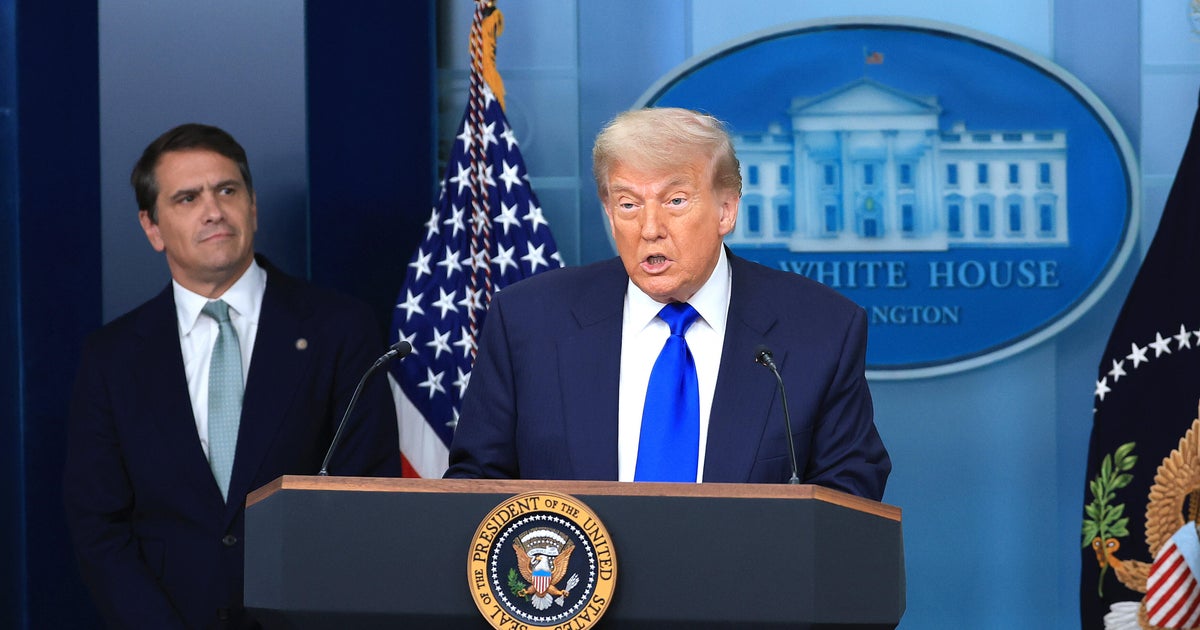
Federal Communications Commission Chair Brendan Carr is moving to hold a vote on ending the long-standing 39 percent cap on broadcast ownership. The proposal would mark a major shift in US media policy and could open the door for large broadcast companies to expand their reach across more television stations.
Supporters of loosening ownership limits have argued that traditional broadcasters need more flexibility as they compete with digital platforms and streaming services. But opponents warn that removing the cap could accelerate consolidation in local media, giving a smaller number of companies greater control over what viewers see and hear.
The plan is already drawing criticism from those who say the FCC may not have the legal power to eliminate the ownership limit on its own. That challenge could become a central issue as the agency considers whether it can act without clearer direction from Congress.
If approved, the change would likely spark a broader fight over media concentration, local news diversity, and the FCC’s role in shaping the future of broadcasting. The upcoming vote puts renewed attention on how much influence major broadcast groups should be allowed to hold in the US media landscape.