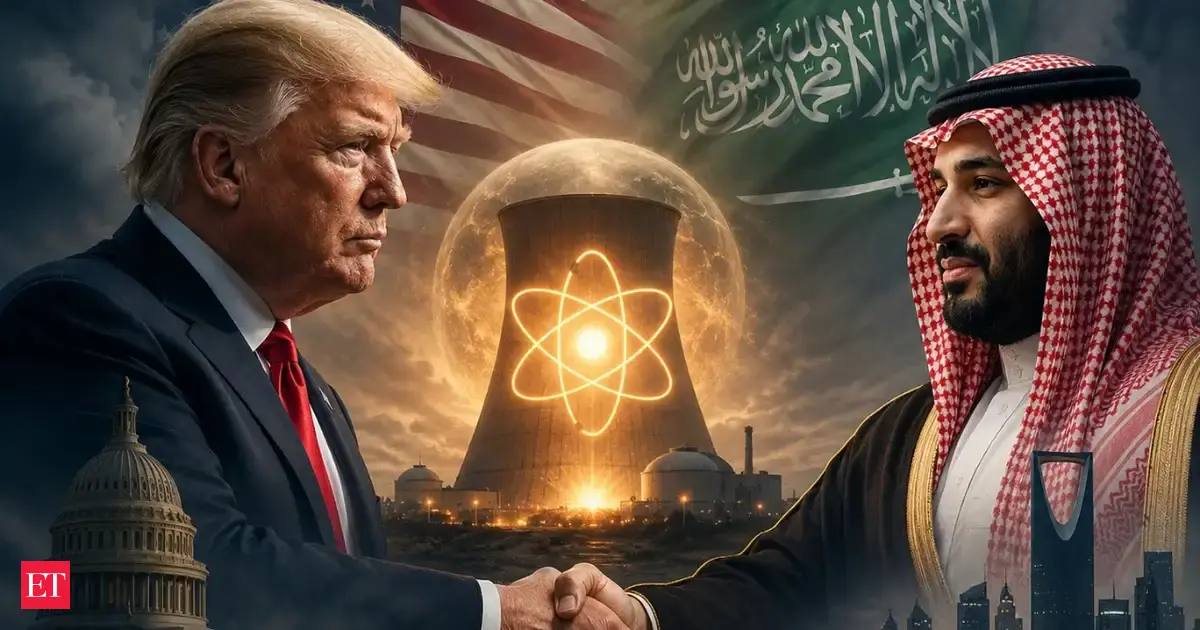
Reports suggest the Trump administration is close to unveiling a major civilian nuclear agreement with Saudi Arabia, and the proposal is already triggering debate in Washington and beyond. At the center of the controversy is whether the deal would let the kingdom develop parts of the nuclear fuel cycle, including uranium enrichment and fuel processing.
Critics argue that allowing those capabilities, even under a civilian framework, could weaken long-standing non-proliferation standards. Their concern is that technology and infrastructure built for peaceful energy use can also shorten the path to a future nuclear weapons option if political conditions change.
Supporters of the proposed US-Saudi nuclear deal say the arrangement would still include safeguards, oversight and bilateral monitoring intended to reduce that risk. They contend that engagement with Riyadh may provide more visibility into the program than leaving Saudi nuclear development to other international partners or less restrictive frameworks.
The dispute reflects a broader strategic question: how to balance energy cooperation, regional alliances and nuclear security. If announced in its reported form, the agreement is likely to face intense scrutiny over whether its safeguards are strong enough to prevent proliferation while still advancing US-Saudi ties.