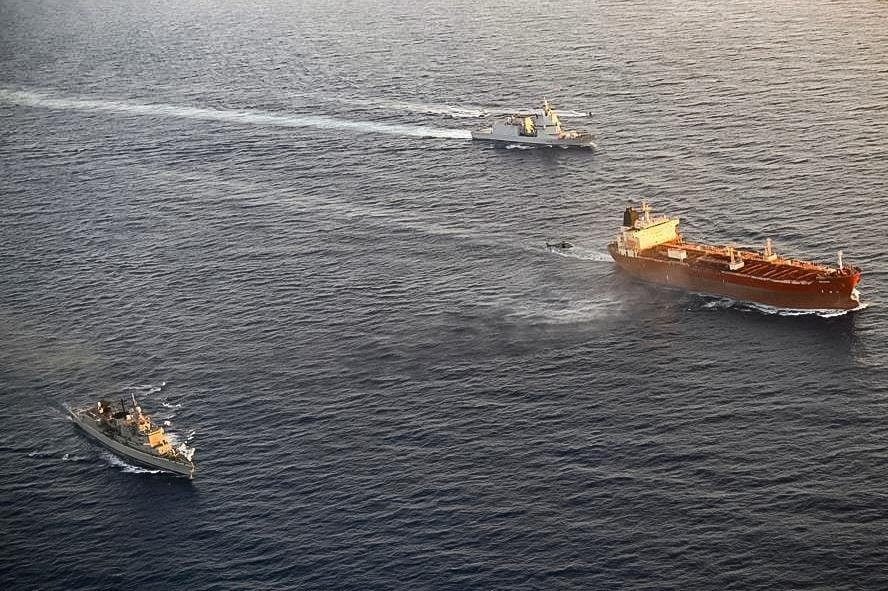
Four more tankers changed course in the Red Sea on Wednesday after Iran-aligned Houthi forces in Yemen threatened the southern route, according to the report. The moves point to renewed instability along a critical maritime corridor used by energy producers and traders.
The latest diversions highlight the risk to global oil flows when security concerns rise in the region. Any threat to tanker traffic in the Red Sea can quickly affect shipping schedules, insurance costs and broader market sentiment around crude and fuel supplies.
At the same time, Rubio said Iran was not serious about talks, adding a diplomatic strain to an already tense situation. That comment links the shipping disruption to wider regional friction involving Iran and groups aligned with it.
Taken together, the tanker reroutings and the tougher tone over Iran suggest that concerns in the Red Sea are not limited to shipping alone. They also reflect how quickly regional security threats can spill into energy markets and international diplomacy.