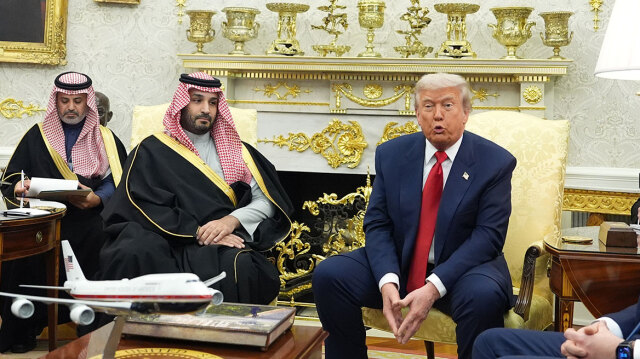
Saudi Arabia is moving closer to a major expansion of its nuclear ambitions after Washington approved a 30-year cooperation agreement that would allow US companies to enter the kingdom’s atomic energy sector. The arrangement is being presented as more than a commercial energy deal, because it also affects the wider strategic balance across the Middle East.
A central point of attention is that the framework could open the door to uranium enrichment on Saudi soil. That prospect is especially sensitive in the region, where nuclear technology is closely tied to security concerns as well as energy policy. The reported terms suggest the kingdom may not face the same restrictions that were attached to the United Arab Emirates’ 2009 agreement with the United States.
The deal is therefore being watched not only as an economic opening for American firms, but also as a geopolitical shift. By giving Saudi Arabia greater room to develop its domestic nuclear capabilities, the agreement could alter how regional powers assess long-term influence, deterrence and technological independence.
With the Trump-backed arrangement expected to be announced, the focus is likely to remain on how Washington balances commercial, strategic and non-proliferation interests. Even if the immediate goal is civilian nuclear development, the agreement has already become part of a broader debate over power, security and the future of the Middle East order.