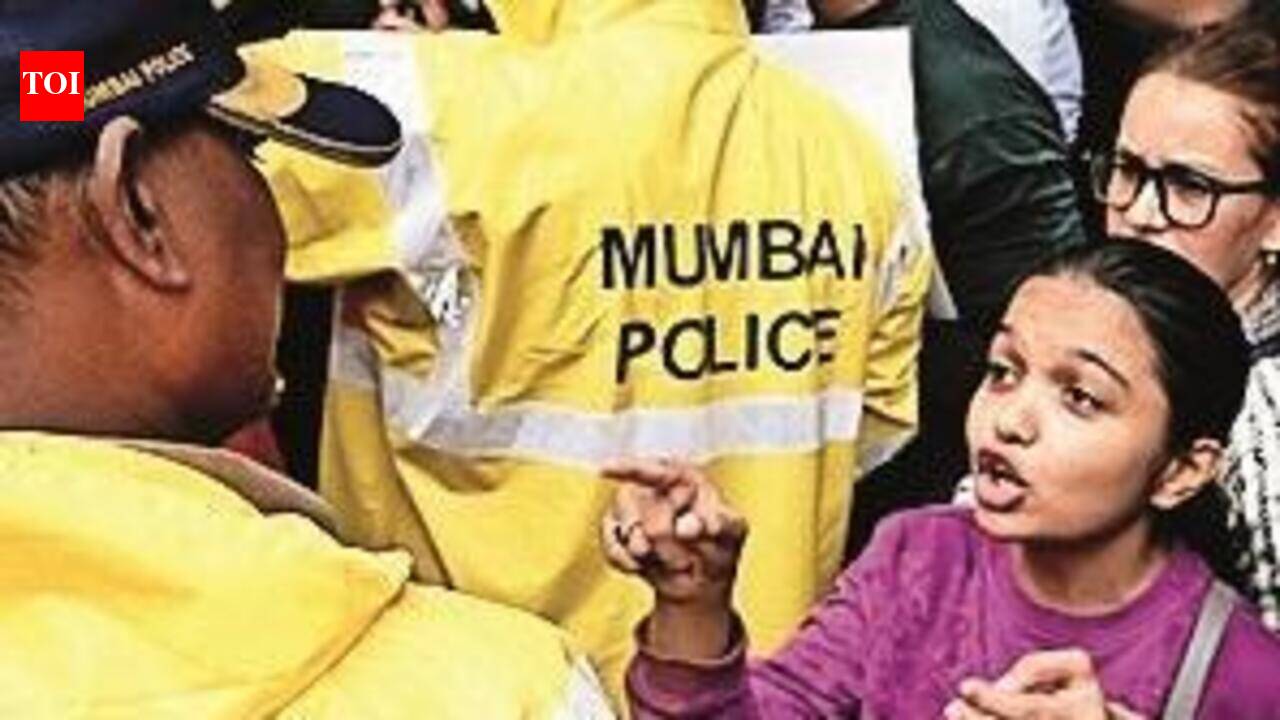
Students detained for hours after a protest outside Mumbai's Chaitya Bhoomi have raised concerns about possible phone surveillance, with some alleging they were told to share their live location. The claims have added another layer of controversy to a police response that has already drawn attention for its scale and uneven treatment of those held.
According to the available details, police registered nine FIRs against nearly 900 people for allegedly violating prohibitory orders. The detentions followed a protest gathering, and reports suggest that those taken into custody had mixed experiences, with some describing routine handling while others alleged harassment during the process.
The episode has put a spotlight on how authorities managed the demonstration and whether the steps taken after the detentions were proportionate. Allegations involving requests for live location sharing have particularly fueled worries among students that their phones may be monitored beyond the immediate protest action.
The case now sits at the intersection of public order enforcement and civil liberties, especially around privacy and the treatment of young protesters. With multiple FIRs filed and accounts of detention still emerging, the incident is likely to remain part of a broader debate over policing, protest rights, and digital surveillance concerns in Mumbai.