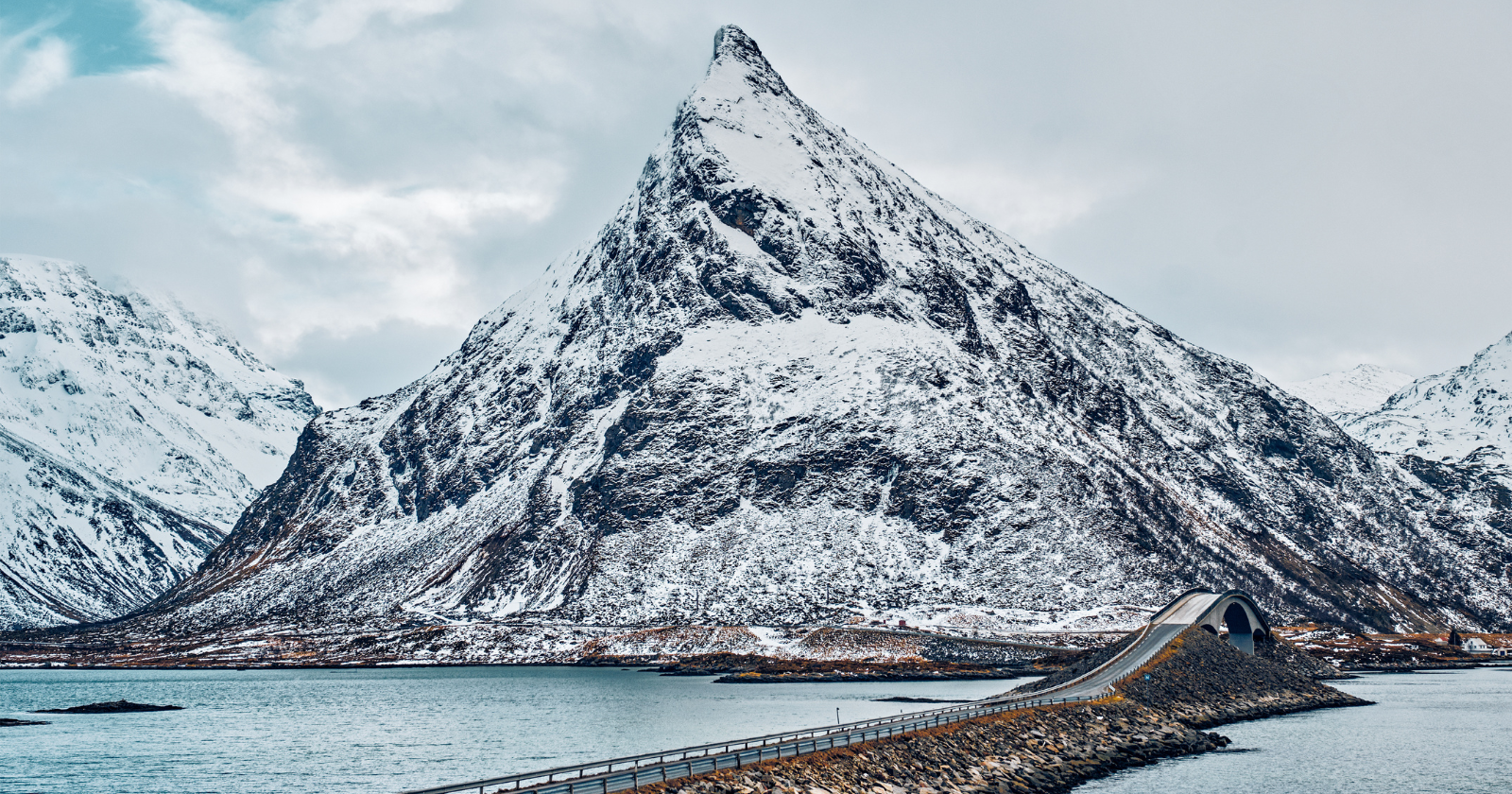
Deep inside a frozen mountain in Norway’s Svalbard archipelago, the Svalbard Global Seed Vault serves as a safeguard for the plants that feed the world. Built about 120 metres into sandstone on the island of Spitsbergen, the facility stores more than 1.3 million seed samples from food crops collected across the globe.
The vault is often labeled a “doomsday” repository, but its purpose is more practical than symbolic. Rather than acting as a museum, it functions as a backup system for seed banks in other countries, preserving duplicate samples in case local collections are damaged, neglected, or lost.
That role has become increasingly important as conflict, weak infrastructure, and climate-related disruption put agricultural resources at risk. If a national or regional seed bank fails, the frozen copies stored in Svalbard can help restore collections that might otherwise disappear.
Its value is not theoretical. The Arctic vault has already been used when catastrophe struck elsewhere, showing how central it has become to global food security. By protecting crop diversity in one of the world’s coldest and most remote locations, Svalbard provides a last-resort reserve for the future of agriculture.





