People in southern Lebanon are reacting cautiously to the latest agreement involving Israel, with ongoing violence overshadowing hopes for a breakthrough. The renewed diplomatic track has raised international attention, but for communities closest to the border, security on the ground appears to matter more than political announcements.
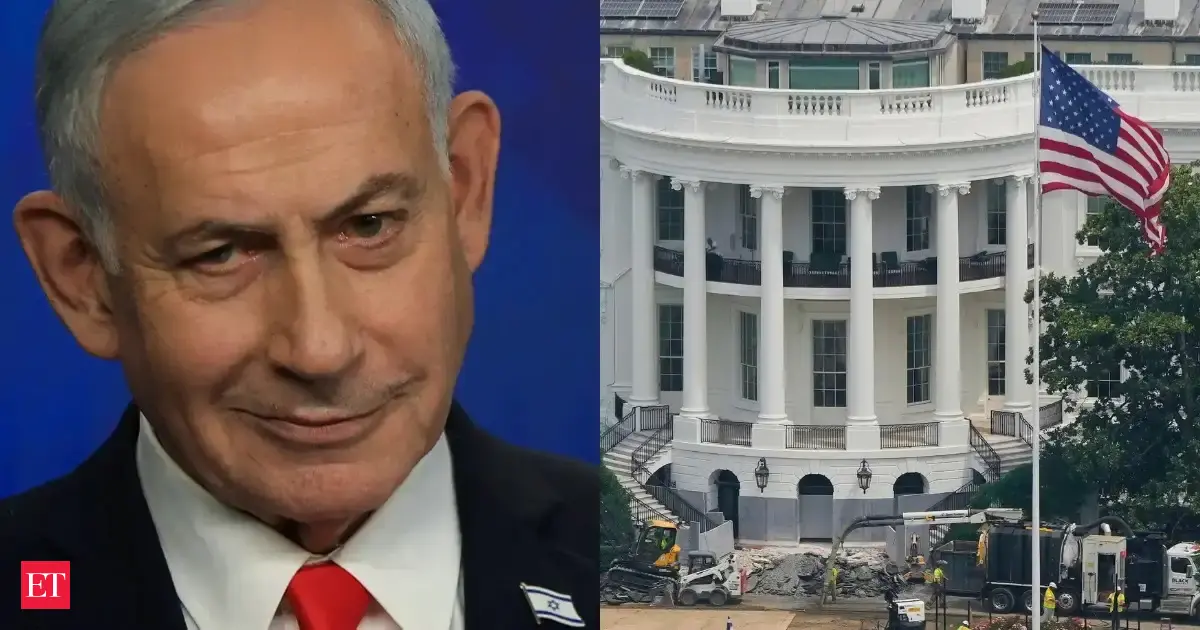
The issue gained added visibility when Lebanon's president met President Donald Trump at the White House, marking the first visit by a Lebanese head of state in nearly 20 years. The meeting came after Lebanon and Israel resumed diplomatic relations under the auspices of the Trump administration, signaling a notable shift in regional engagement.
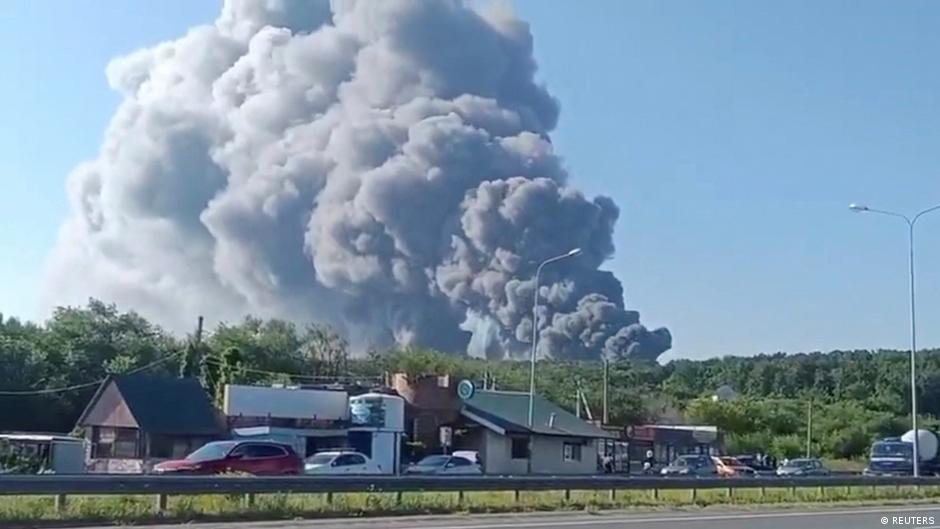
Even so, skepticism remains strong in southern Lebanon. Continued unrest is fueling doubts about whether any agreement can deliver real stability, especially while violence is still affecting daily life. That gap between diplomatic progress and conditions on the ground is shaping the public mood.
The developments highlight a familiar challenge in the region: official moves toward dialogue can generate headlines, but confidence is harder to build when insecurity persists. For many in southern Lebanon, the success of any Israel agreement is likely to be judged less by ceremony and more by whether the violence actually stops.