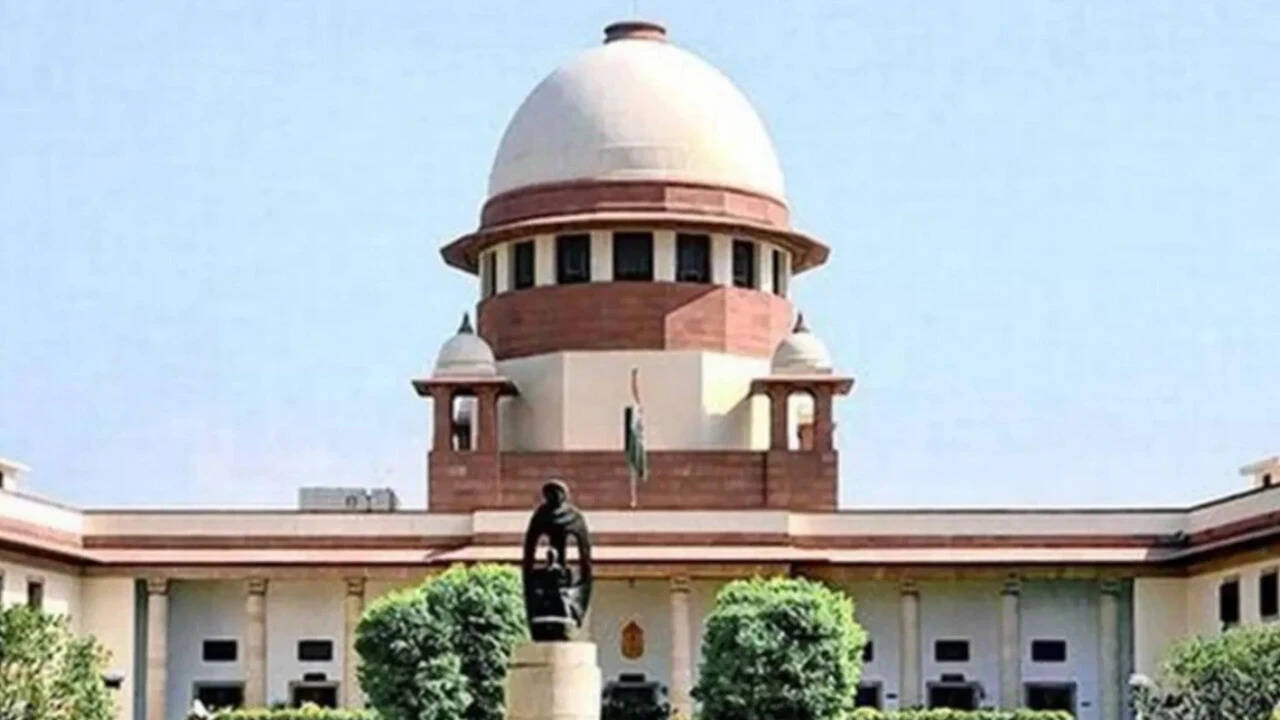
India's Supreme Court has declined to entertain an appeal by the Chhattisgarh government against a High Court order granting bail, signalling that such relief should not normally be brought before the apex court. The matter was heard by a bench led by the Chief Justice of India.
The ruling was described as an important statement on how the criminal justice system should function while keeping personal liberty at the centre. By refusing to interfere, the court underscored that bail decisions made by High Courts should not automatically become the subject of further challenge in the Supreme Court.
The observation is significant because it touches on the balance between the state's prosecutorial powers and the rights of an accused person. In bail matters, courts often weigh the progress of the case, the need for custody and the broader principle that liberty should not be curtailed unnecessarily.
With this order, the Supreme Court appears to have reinforced judicial restraint in routine bail disputes and highlighted the primacy of individual freedom in criminal proceedings. The rejection of the Chhattisgarh government's plea is likely to be seen as a broader reminder that the top court is not meant to be a regular forum for contesting every High Court bail order.