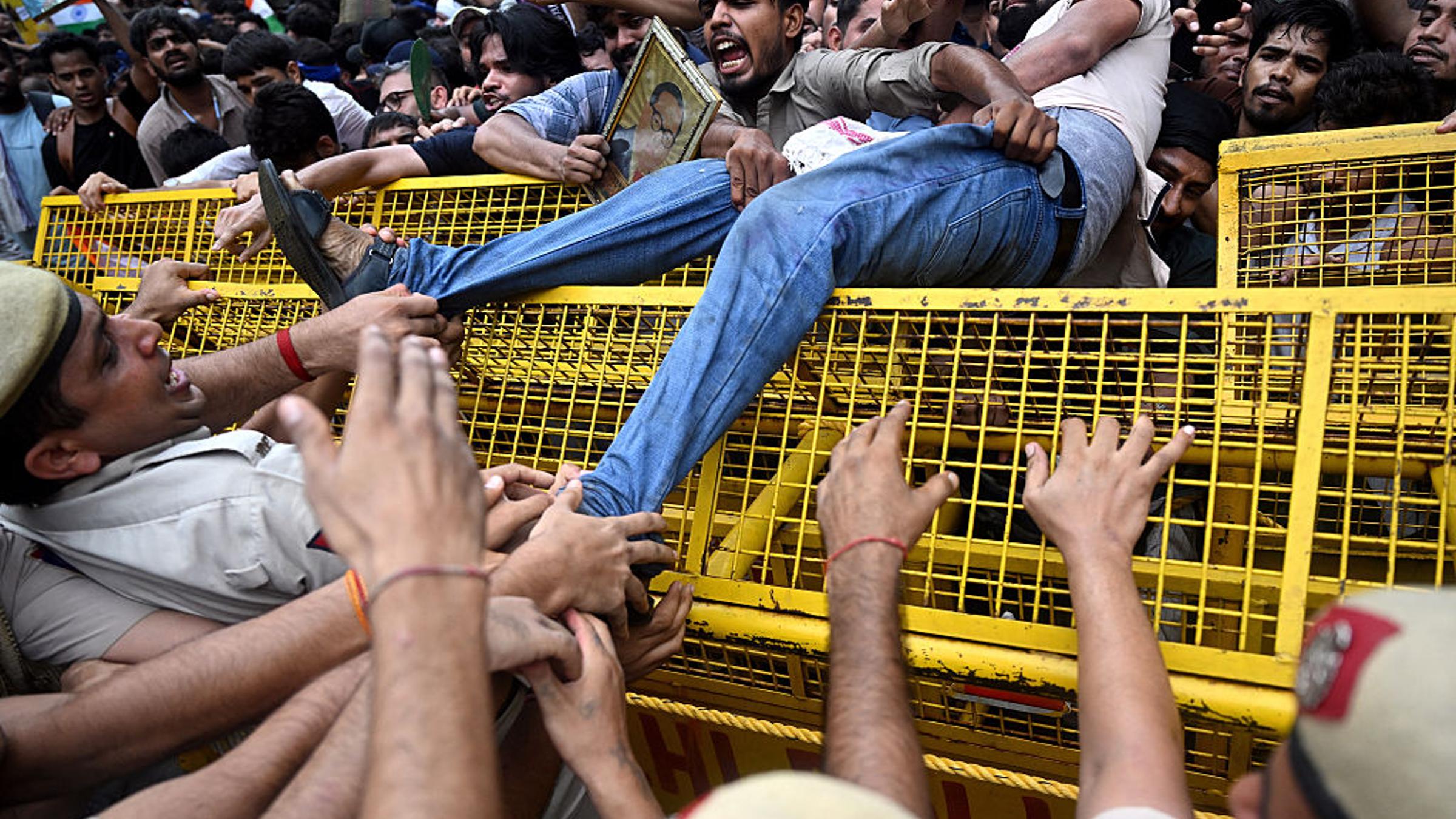
India’s so-called Cockroach Movement has emerged with unusual speed, transforming from a satirical online campaign into a visible protest movement in just over two months. What began as internet-driven political expression has reportedly grown into a broader youth-led force, reflecting rising frustration among young people and giving digital activism a real-world presence.
The movement’s rise appears closely tied to public anger surrounding activist Wangchuk’s hunger strike. According to the available details, he refused food for 20 days before Delhi police hospitalized him against his will. That intervention triggered a wider backlash and helped push the issue beyond social media, drawing national attention and intensifying support for street demonstrations.
The label “Cockroach Movement” suggests a deliberately provocative and satirical identity, one that may resonate with younger participants who often use irony and online culture to frame political dissent. Its rapid expansion shows how quickly a digital campaign can evolve when it connects with a wider sense of grievance and a highly visible flashpoint.
As mass protests take shape, the movement is being watched as a sign of changing political engagement in India. The combination of youth leadership, online organizing and anger over state action has turned a niche campaign into a serious political development, with momentum that appears to extend well beyond its satirical origins.