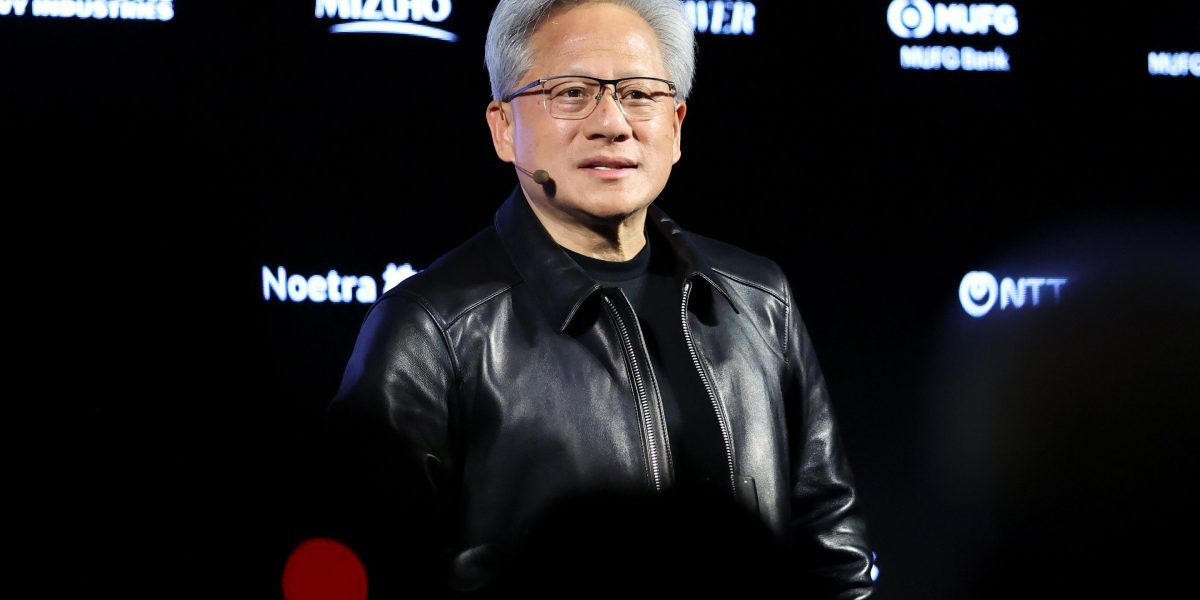
Nvidia CEO Jensen Huang is pushing back against growing alarm in Washington over Chinese artificial intelligence, arguing that open-source models should be seen as an opportunity rather than a threat. His comments come as U.S. policymakers and industry watchers debate how to respond to increasingly capable, lower-cost AI systems emerging from China.
According to Huang’s view, open-source AI models such as Kimi can help expand the overall market for artificial intelligence. Wider access to capable models could encourage more companies and developers to build AI products, which in turn may increase demand for the computing hardware and data center infrastructure needed to run them.
The debate highlights a wider split over how the United States should approach foreign AI advances. Some in Washington are focused on restricting or containing Chinese technology, while Huang appears to be arguing that broad adoption of open AI tools can still benefit the global technology ecosystem, including suppliers of chips and computing platforms.
For Nvidia, the discussion is especially important because the company sits at the center of the AI boom. If more open-source models gain traction worldwide, that could translate into more training, more deployment, and more need for high-performance processors. Huang’s position suggests that competition from Chinese AI does not automatically weaken U.S. tech companies and may instead help drive the next wave of infrastructure spending.