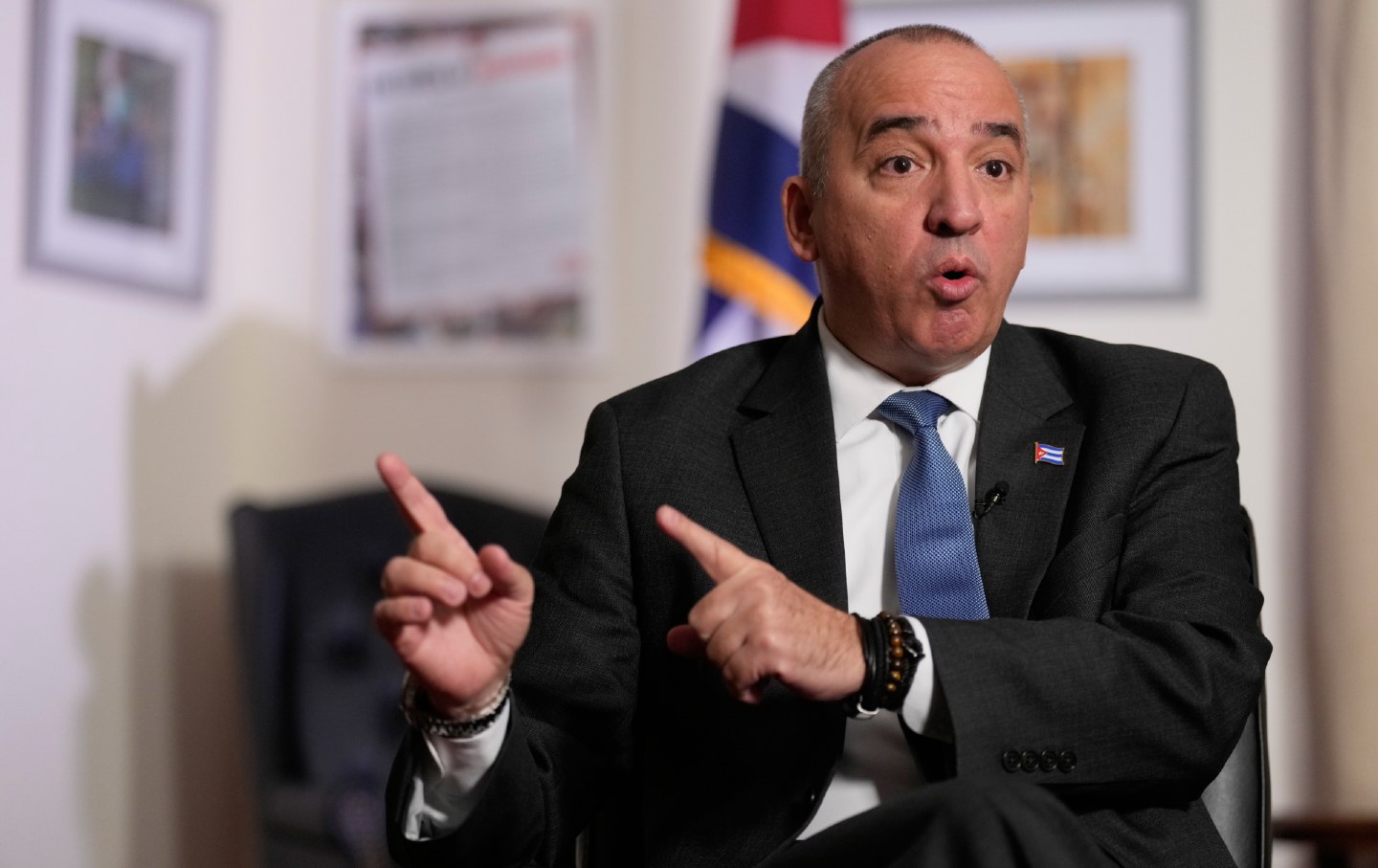
Cuba is entering the second half of 2026 under intensified pressure from the United States, with Havana warning that new restrictions are worsening daily life on the island. The report focuses on a senior Cuban diplomat’s argument that Washington is trying to squeeze the country through tighter economic measures, including a January executive order described as targeting Cuba’s fuel supply.
According to the account, Cuban officials say the result is a heavier human burden rather than a political breakthrough. Shortages and economic strain are presented as the direct consequences of the long-running US blockade and the latest sanctions steps, which Havana views as an attempt to force submission through deprivation.
The discussion also turns to Cuba’s economic liberalization, a sensitive issue as the government navigates reforms while trying to preserve political control and social protections. The diplomat’s position, as described here, is that changes to the economy may continue, but the central achievements of the Cuban Revolution are not open to bargaining under outside pressure.
The broader message from Havana is one of resistance: Cuban leaders say they will not accept economic coercion as the price of political change. With fuel access and basic economic stability under renewed stress, the dispute underscores the continuing clash between US policy toward Cuba and the island’s insistence on defending its sovereignty and core social model.