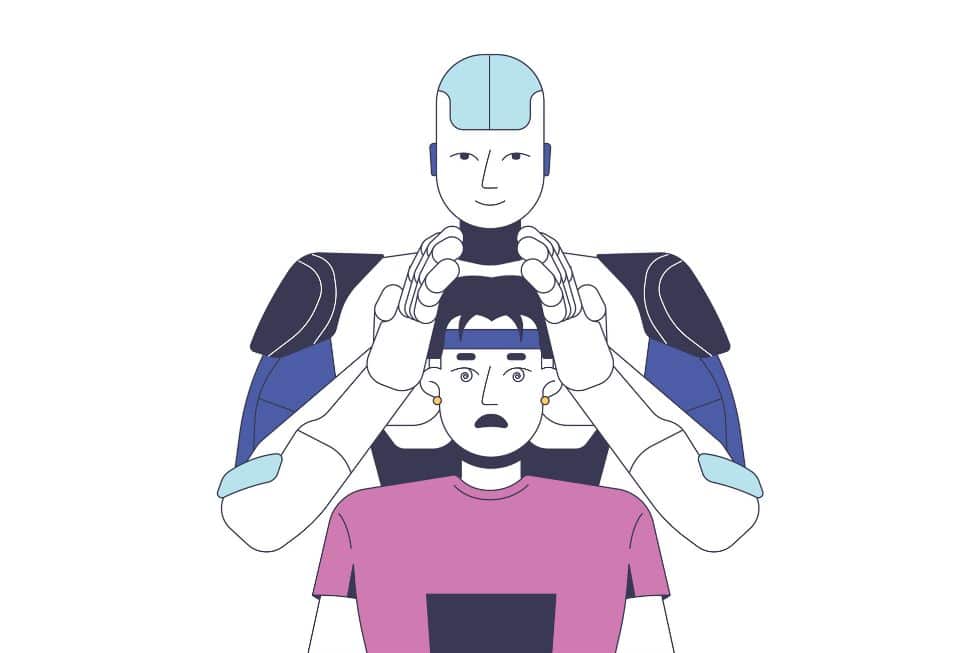
A sci-fi film discussed by The Verge is drawing attention for treating artificial intelligence as something more emotionally complicated than a standard dystopian threat. Instead of focusing on rebellion, surveillance, or collapse, the story appears to use AI to examine grief, memory, and the difficult choices families face after tragedy.
The premise begins with an ordinary family life centered on a curious seven-year-old boy who loves his parents, his friends, and baseball. That sense of normal happiness is shattered by a freak accident, setting up a deeply personal drama rather than a spectacle-driven vision of the future. From there, the film uses science-fiction ideas to explore what happens when technology enters the most painful parts of human life.
Director Hirokazu Kore-eda, referenced in the interview, seems to approach AI not as a simple villain or miracle cure, but as a tool that raises unsettling emotional and ethical questions. The emphasis appears to be on how people respond to loss, and whether advanced technology can offer comfort without erasing the reality of what has happened.
That approach helps the movie stand out in a genre often dominated by dark predictions about artificial intelligence. By keeping the focus on family, mourning, and the search for connection, the film suggests that AI stories can be intimate and humane as well as cautionary. The result is a sci-fi narrative that looks beyond fear and asks what these technologies might mean inside everyday human relationships.