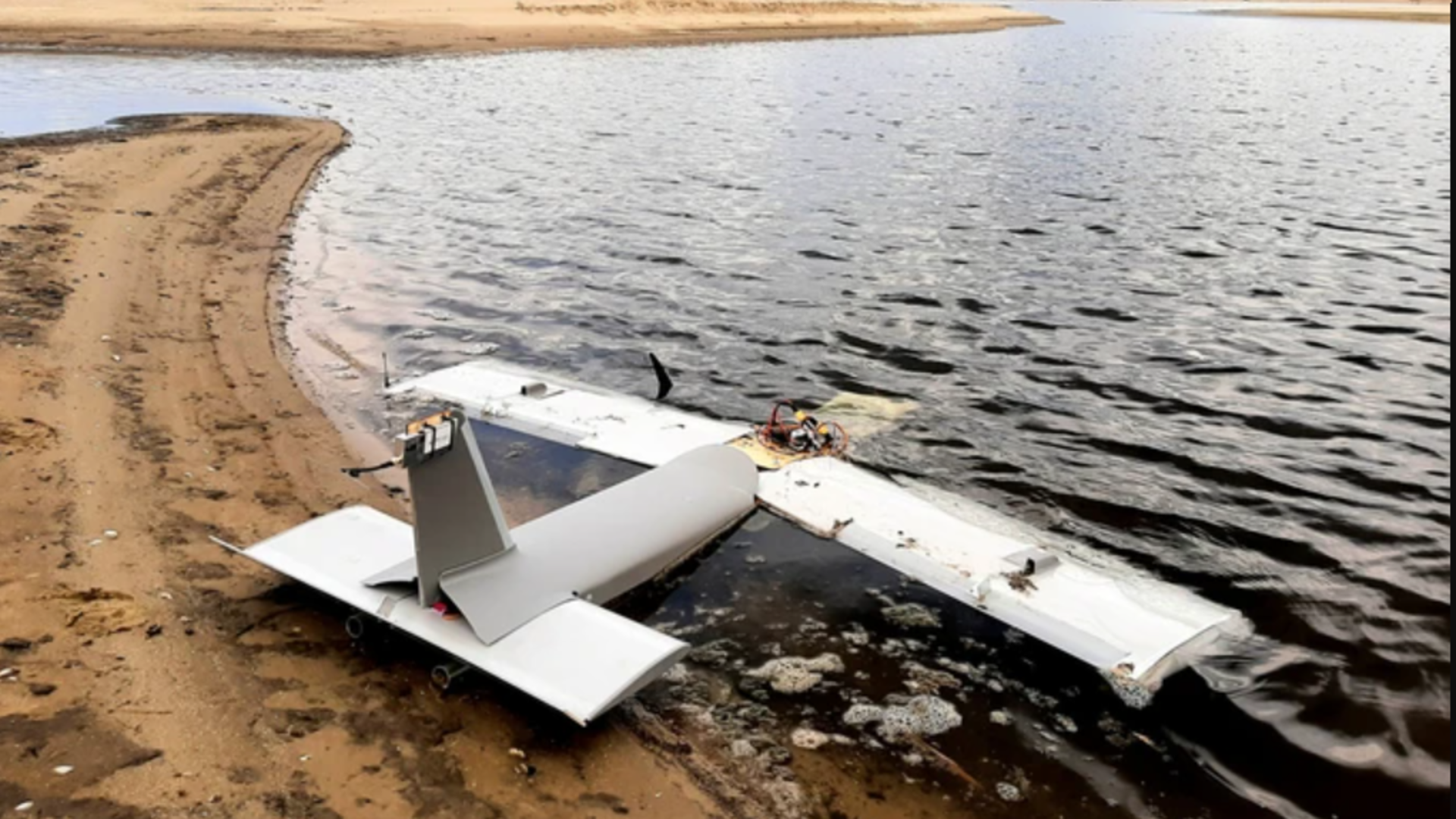
Russia has reportedly introduced a very simple upgrade to its low-cost Molniya drones: a magnetic compass. The change is aimed at helping the aircraft keep a basic sense of direction when electronic warfare systems interfere with satellite navigation signals such as GPS and GLONASS.
The reported update matters because cheap drones are often vulnerable to jamming. If satellite-based positioning is disrupted, an aircraft can lose its route or struggle to reach its target area. By using Earth’s magnetic field as a fallback, the Molniya can still maintain rough directional guidance even when more advanced navigation is degraded.
The Molniya has been described as a budget drone built with simple materials, and the addition of a low-cost compass fits that design approach. Rather than making the platform more complex or expensive, the reported fix appears to add a basic backup layer that could improve usefulness in contested environments where electronic interference is common.
The development also highlights a broader trend in drone warfare: small and inexpensive changes can have an outsized effect on performance. In this case, a basic component may help a cheap drone remain functional in situations where signal jamming would otherwise leave it largely ineffective.