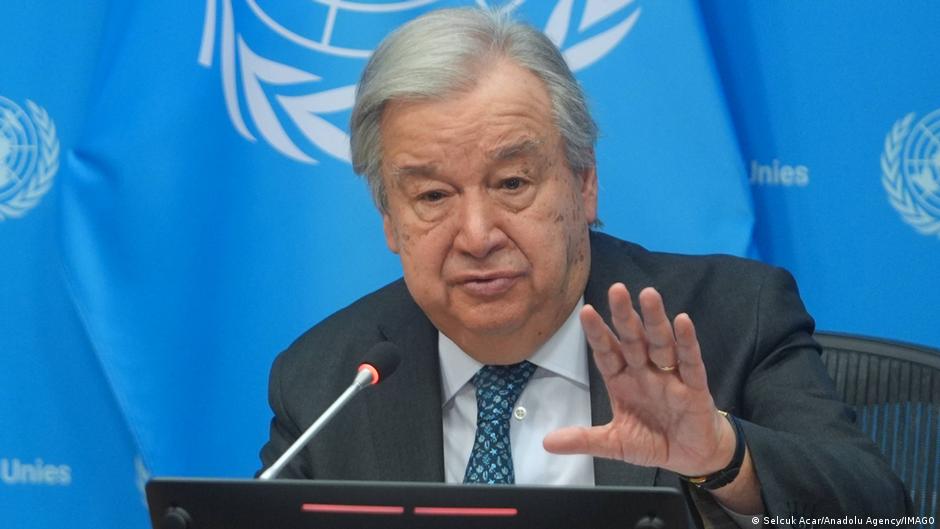
The United Nations is heading toward a leadership change for the first time in a decade, with Antonio Guterres set to leave office when his second term ends on December 31. Attention is now turning to the six candidates seeking to become the next UN secretary-general, a role that carries both diplomatic weight and intense political scrutiny.
The contest is shaping up around what each contender represents and how they would approach the UN’s core mission. Any future secretary-general will need to balance the expectations of member states while also trying to protect the organization’s credibility during a period of global tension and competing national interests.
The next UN chief is also likely to inherit a demanding agenda. From conflict management and humanitarian crises to questions about reform, effectiveness and the institution’s global relevance, the job will require both political skill and broad international support. That makes the selection more than a personnel change — it is also a test of what kind of leadership the UN wants next.
With six names in the running, the process is likely to draw close attention from governments and observers alike. Whoever ultimately succeeds Guterres will take over at a moment when expectations of the UN remain high, even as the organization faces growing pressure to prove it can respond to fast-moving international challenges.