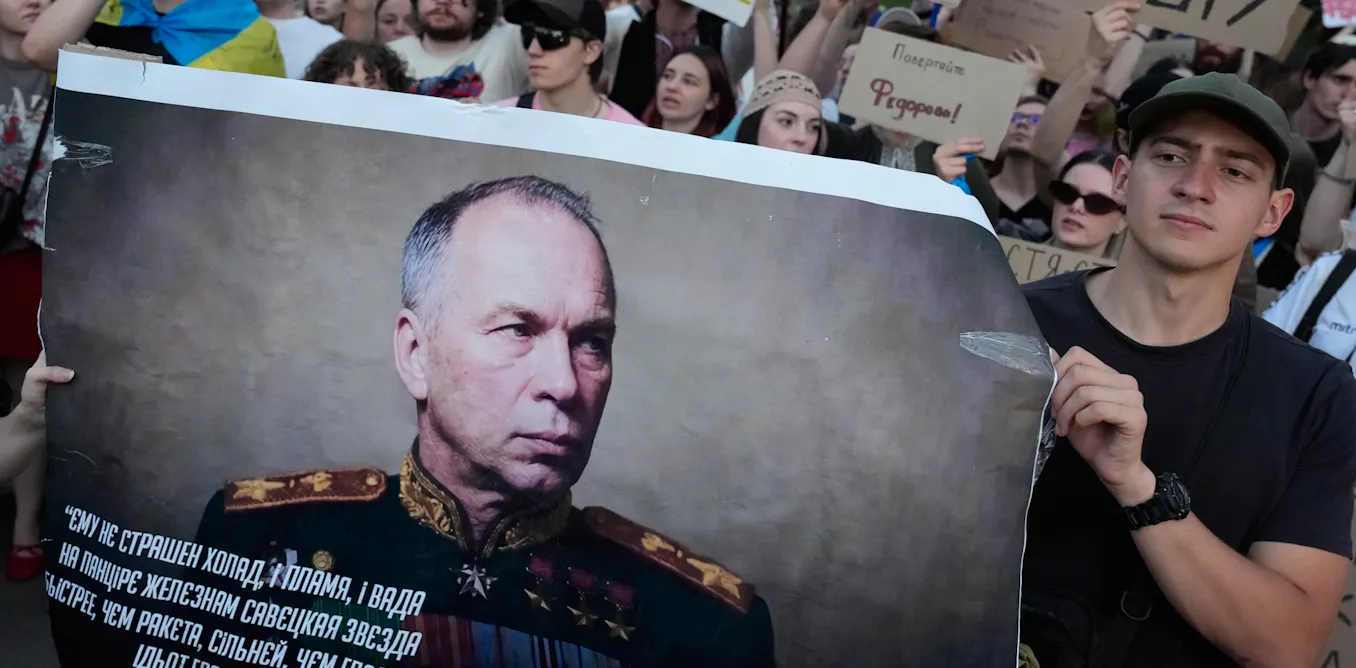
Ukrainian President Volodymyr Zelenskyy’s decision to remove two senior defense figures, including Defense Minister Fedorov and Gen. Syrskyi, has drawn attention far beyond the immediate political fallout. The move is being viewed as a major signal about tensions inside Ukraine’s wartime leadership and about the pressure that comes with managing a prolonged conflict.
The reported dismissal of Fedorov is especially notable because he was described as respected by both Ukrainian troops and Western partners. That matters in a long war, where confidence in commanders and civilian leaders can influence not only battlefield performance but also public resilience, international backing and trust inside the armed forces.
Leadership changes in wartime can be intended to reset strategy, respond to internal strains or show that the government is acting decisively. But they can also create uncertainty at a sensitive moment, particularly if the officials being removed are closely tied to troop morale or external support. In that sense, the controversy surrounding the shake-up reflects a deeper concern about stability as the war drags on.
The broader question is what these removals mean for Ukraine’s war effort over time. More than a personnel change, the episode highlights how morale, cohesion and political confidence become central factors in long conflicts, sometimes carrying as much weight as weapons and tactics.