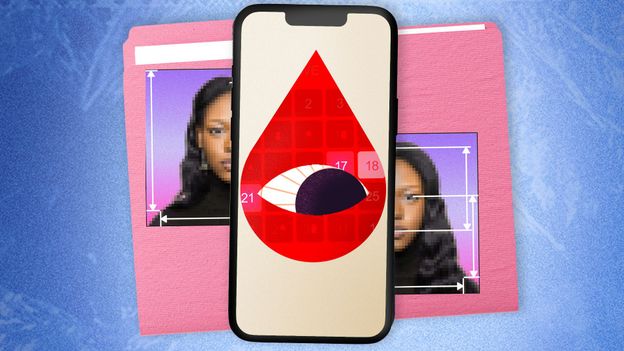
A new report is raising concerns about how period tracking apps handle highly personal health information. The research suggests that while some apps do a better job of protecting user privacy, others may pass data to outside companies for advertising or analytics.
According to the findings, the app Stardust shares certain kinds of data with Facebook and AppsFlyer, an advertising analytics company. The report indicates that users may be able to limit some of that tracking by changing privacy settings on their phones, but the broader issue is how much sensitive information can move beyond the app itself.
The investigation points to a wider privacy gap in the period tracker market. Many people use these apps to log menstrual cycles, symptoms and other health details, often assuming that information stays private. The new research suggests that privacy protections can vary significantly from one app to another.
The findings are likely to increase scrutiny of femtech and health apps more broadly, especially as users become more aware of how intimate data is collected, shared and stored. For anyone using a period tracker, the report underscores the importance of reviewing privacy policies, app permissions and device-level tracking controls.