A new geopolitical review dated July 22, 2026, argues that the rising confrontation between Washington and Tehran is becoming a defining force in the Middle East. According to the summary, the standoff is not only increasing regional tension but also altering the wider geopolitical structure of the area.
The analysis suggests that the effects go beyond bilateral hostility. As pressure grows between the United States and Iran, neighboring states, security arrangements and regional power balances are being pushed into a new phase of adjustment. The review frames the confrontation as a catalyst for broader strategic realignment across the Middle East.
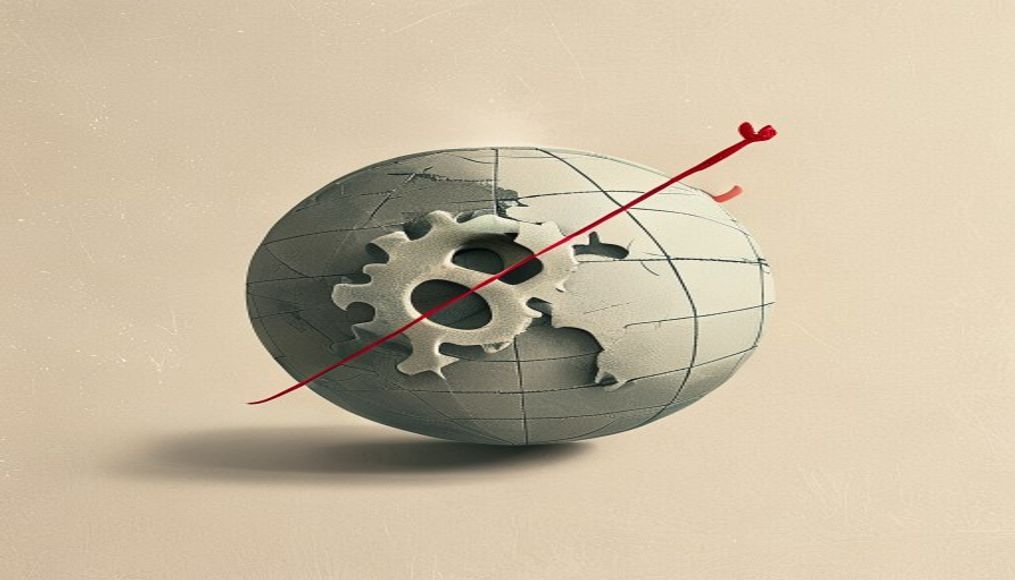
Another key theme is the connection between regional escalation and deglobalization. The summary indicates that geopolitical conflict is increasingly linked to wider economic and strategic fragmentation, with ripple effects extending beyond the immediate crisis zone. That points to a world where trade, diplomacy and security are becoming more shaped by rivalry and bloc-based thinking.
Overall, the briefing presents the Washington-Tehran confrontation as more than a temporary flashpoint. It describes an evolving crisis with consequences for Middle East stability, international economic ties and the broader global order, highlighting how regional conflicts can accelerate long-term geopolitical change.