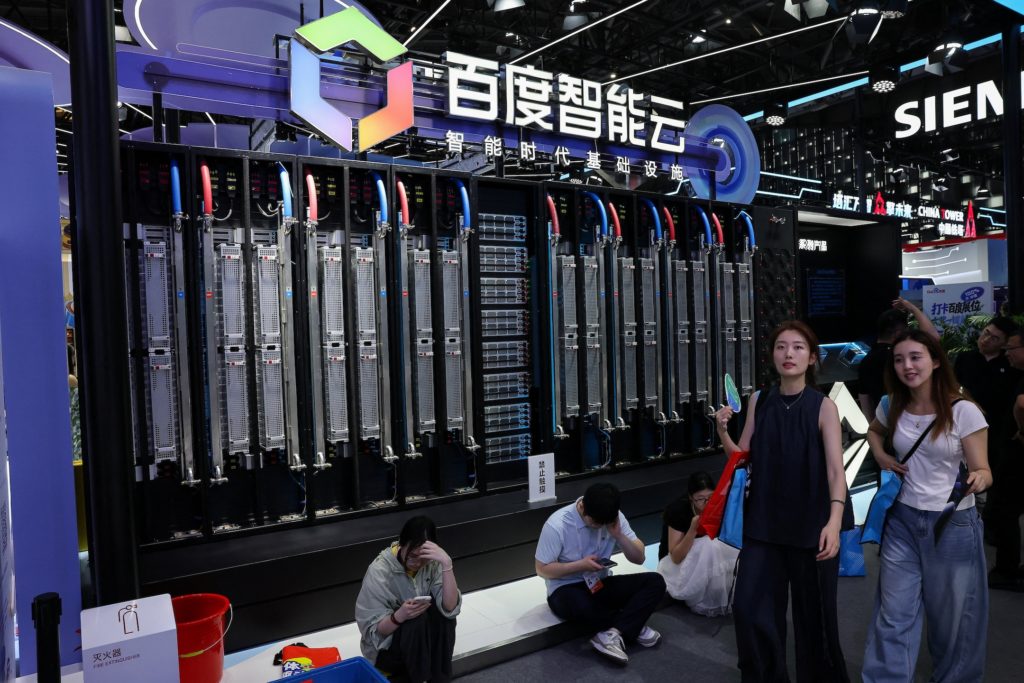
New advances in Chinese AI models are raising new concerns about the balance of power in the global technology race. The developments are drawing attention in both Washington and Silicon Valley, where policymakers and industry leaders have long treated U.S. dominance in artificial intelligence as a strategic advantage.
What stands out is that Chinese companies appear to be closing the gap despite having fewer computing resources and operating under different constraints. That suggests the competition is no longer defined only by access to the biggest chips or the largest budgets, but also by how efficiently companies can build and improve advanced AI systems.
The progress is likely to intensify debate in the United States over how to protect its edge in artificial intelligence. Concerns about national competitiveness, economic leadership and the pace of innovation are becoming more urgent as Chinese AI capabilities advance faster than many expected.
The timing is especially notable because the White House is preparing a major shift in funding priorities tied to technology and AI strategy. As Chinese AI models improve, pressure is likely to grow on U.S. officials and tech firms to respond with faster investment, sharper policy choices and a broader push to maintain leadership in the field.