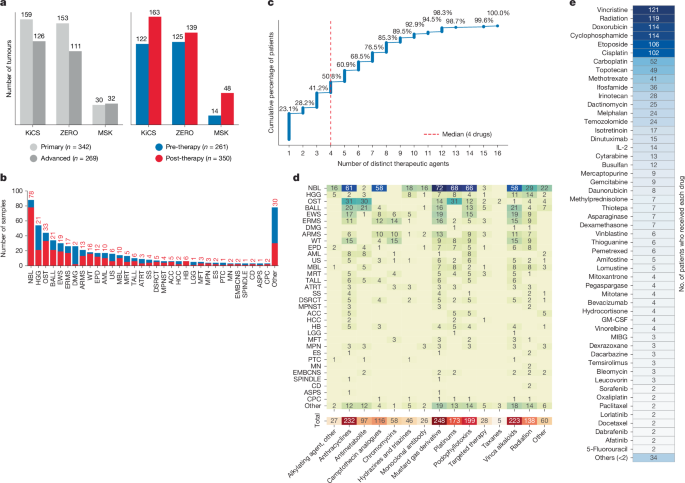
Research highlighted by Nature suggests that treatment received earlier in a child’s cancer journey can strongly influence the genetic makeup of tumours when the disease returns. The study points to prior therapy as a key factor in shaping mutation profiles at relapse, adding to evidence that cancer evolution can be driven not only by the disease itself but also by the therapies used against it.
According to the report, chemotherapy was linked to substantial and quickly detectable mutagenesis in childhood cancers. The effect appeared especially notable with platinum-based drugs, which were associated with a marked rise in relapse-specific mutation signatures and an overall increase in mutation burden. In broad terms, that means returning tumours may carry many more therapy-related genetic changes than were present before.
These findings matter because they help explain why relapsed childhood cancers can differ so much from the original disease. If treatment leaves a genetic imprint on surviving cancer cells, those cells may come back with new biological features that affect how the cancer behaves and how it responds to later therapy. That makes relapse a moving target and underscores the importance of studying tumour genetics over time.
The report also highlights potential opportunities for better care. Understanding how earlier treatment shapes tumour evolution could improve relapse monitoring, refine the interpretation of mutation signatures, and support more tailored treatment strategies for children whose cancers return. In that sense, the research adds another layer to precision oncology by linking prior therapy directly to the genomic landscape seen at relapse.