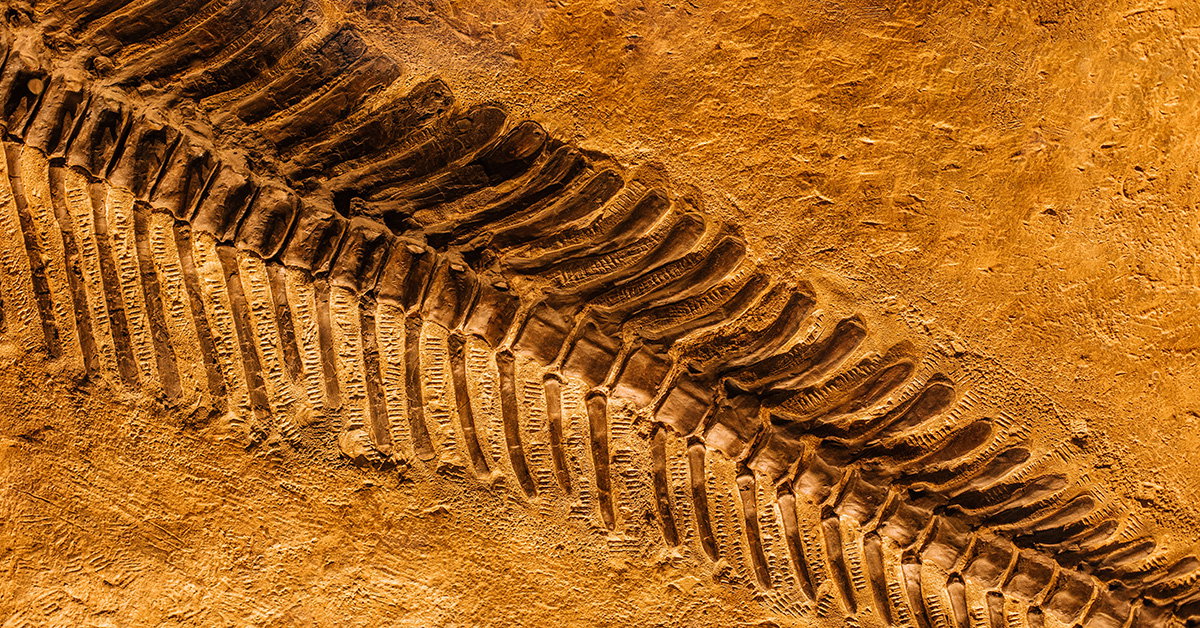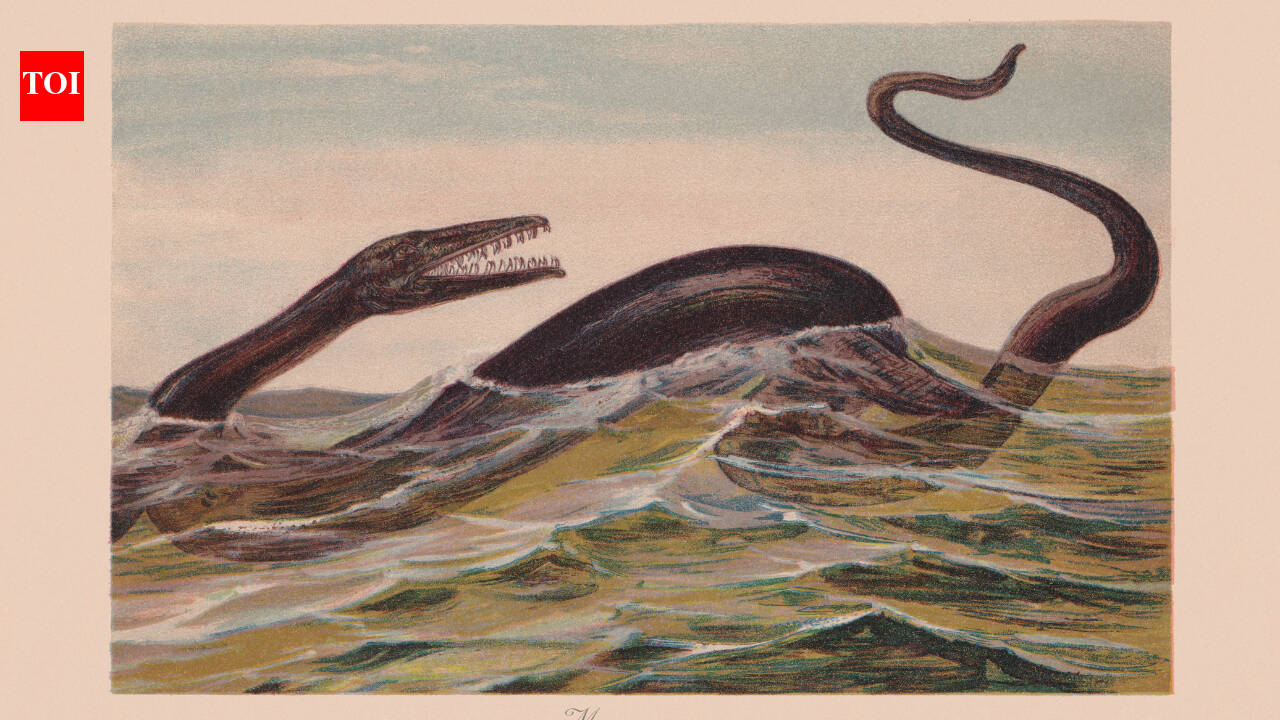
Scientists in Japan are taking a fresh look at a fossil that remained unnoticed inside a rock held by a museum for around 30 years. The report points to a striking example of how important discoveries do not always come from new excavations. Sometimes, they are found in objects that have been sitting in collections for decades.
According to the headline, researchers now believe the specimen may belong to a notable prehistoric find, suggesting the fossil could have greater scientific value than first understood. Even with only limited details available, the case underlines how museum archives can preserve clues that earlier teams may have missed.
The discovery also reflects a broader pattern in paleontology and natural history research. As imaging methods, preparation techniques and classification tools improve, older rock samples and fossils can reveal new information. What once appeared to be an ordinary stone can turn into an important piece of evidence about ancient life.
This Japanese museum fossil story adds to the growing reminder that science often advances through careful reexamination as much as through dramatic fieldwork. Hidden specimens in existing collections can still reshape what researchers know about the distant past.